"I see the mycelium as the Earth's natural Internet, a consciousness with which we might be able to communicate. Through the mycelium, we can heal the landscapes and ecosystems."
Paul Stamets
FREE MICRODOSING class with newsletter sign up. Click here!
What's One Benefit of Fungi?
9 Mind-blowing Fungal Fun Facts Guaranteed To Impress You
I know you are here to answer your curiosity around the question "What's one benefit of fungi?"...
But the truth is...
There are so many benefits of fungi I would be selling them short by giving you only one!
I've compiled 9 incredible benefits of fungi to wow you...
So you can pick which one resonates with you the most...and maybe pick a 2nd one just because fungi are just so damn awesome!
Fungi are not just those weird mushrooms popping up in your yard after a rainstorm; they are actually some of the coolest, most hardworking organisms on the planet.
From their hidden role as the "wood wide web" that connects forests, to their powerful medicinal properties and culinary delights, these organisms are truly the unsung heroes of our ecosystem.
Ready to discover why the fungal kingdom is so essential to life on Earth?
Let's dig in, shall we?
#1 Nature's recyclers
The absolute classic answer for any biology quiz is that fungi are nature’s recyclers.
Imagine walking through a forest where nothing ever rotted away; you would be wading neck-deep in dead leaves, fallen branches, and animal remains!
Fungi, specifically the decomposers, break down dead organic matter and turn it back into rich soil.
This process releases nutrients that plants need to grow.
So, if you need a quick, solid fact, write this down:
Fungi decompose dead matter to keep our ecosystems clean and fertile.
It is a dirty job, but something has to do it!
According to mycologists, without fungi (and bacteria), the Earth would be buried under miles of un-decayed organic matter. Fungi are the primary decomposers of lignin, the tough structural component of wood.
#2 Medical life savers
Did you know that a fungus might have saved your life or the life of someone you love?
It sounds dramatic, but it is true!
One of the most famous medical discoveries in history came from a mold called *Penicillium*.
This humble fungus produces penicillin, the world's first antibiotic.
Before this discovery, a simple scratch or infection could be deadly.
If you want an answer that highlights how fungi help humans directly, tell your teacher that fungi provide life-saving medicines like antibiotics.
It is amazing to think that a bit of mold changed the course of human history!
I recently read an article where they have created new bandaids with mushroom mycelium...to help the skin grow back healthy without the plastic of regular bandaids!
Free 4-Part Microdosing Mushrooms Class
It is estimated that penicillin has saved over **200 million lives** since its widespread adoption during World War II.
It isn't just antibiotics. Cyclosporine, a drug that suppresses the immune system and makes organ transplants possible (preventing the body from rejecting the new organ), is derived from the fungus *Tolypocladium inflatum*.
#3 Yeast
Let’s talk about something way tastier: pizza and sandwiches.
If you love fluffy bread or pizza crust, you have a fungus to thank.
Yeast is a microscopic fungus that eats sugar and burps out carbon dioxide gas.
I know, "burping" sounds gross, but those little gas bubbles are exactly what makes dough rise and become light and airy.
Without yeast, our bread would be hard, flat crackers.
So, another great answer to "What's one benefit of fungi?" is that they allow us to bake bread and ferment foods.
They are no doubt the unsung heroes of the kitchen!
The yeast *Saccharomyces cerevisiae* is responsible for fermentation.
Humans have been using this fungus for at least 4,000 years, dating back to ancient Egypt, even though they didn't know it was a microorganism at the time.
#4 The original World Wide Web
Have you ever heard of the "Wood Wide Web"?
It sounds like a sci-fi movie, but it is real life.
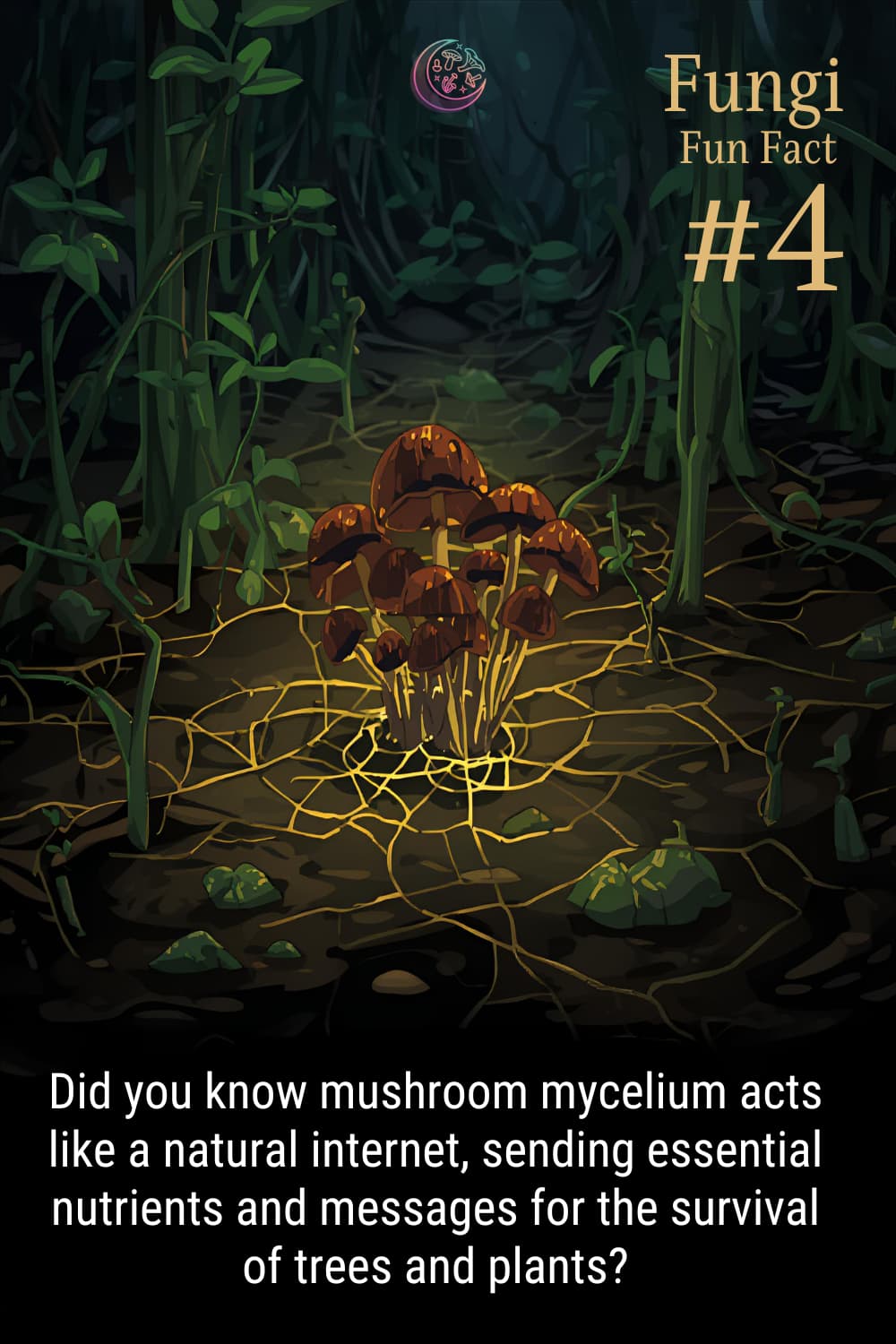
Underground, fungal threads called mycelium connect the roots of different trees and plants.
This network acts like a biological internet, allowing trees to share nutrients and even send warning signals to each other about pests.
Ecologist Suzanne Simard conducted groundbreaking studies using radioactive isotopes to trace carbon movement between trees. Her research proved that older "Mother Trees" use fungal networks to transfer carbon and nutrients to younger seedlings to help them survive.
In some forests, a single tree can be connected to dozens of other trees, and studies suggest that plants connected to these fungal networks can have survival rates significantly higher than those isolated from the network.
Mycelium covers 30% of the Earth's planet.
Experienced gardeners know that adding these "mycorrhizal" fungi to the soil helps plants drink water and eat nutrients.
Fungi help plants grow by sharing nutrients and messages through their roots.
Long before trees existed, giant fungi ruled the land. About 400 million years ago, a fungus called *Prototaxites* grew up to 24 feet tall and 3 feet wide, making it the largest living organism on land at the time.
#5 Nutritional powerhouses
Of course, we cannot ignore the most obvious benefit: they are delicious and sooooooo good for you!
Safety, first though!
MOST mushrooms across the globe, are in fact, poisonous.
This is why you should never consume a wild mushroom that has not been identified by a pro...and even the pros mis-identify them in the wild.
The benefits of eating mushrooms go way beyond just adding a savory, meaty flavor to your stir-fry.
They are packed with goodness.
The nutritional benefits of mushrooms include providing essential nutrition like:
- Vitamin D, which is hard to get from other foods
- protein
- fiber
- B vitamins
- essential minerals like selenium and potassium
If you are looking for a health-focused angle, you can say that fungi provide a:
- high protein
- nutritious
- low-calorie
- zero fat food source for humans and animals.
Plus, they make vegetarian tacos taste amazing!
As a dietitian I could go on and on and on about the impressive nutritional profile of the mighty mushroom...
A study published in the journal *Food Science & Nutrition* confirmed that when mushrooms are exposed to UV light (sunlight or UV lamps), they convert ergosterol into Vitamin D2.
Eating just 3 to 4 button mushrooms that have been exposed to sunlight can provide **100% of your recommended daily intake** of Vitamin D.
They are one of the very few non-animal sources of Vitamin D.
#6 Brain and soul food
Speaking of health, some fungi act like a gym workout for your brain.
Lion's Mane and Psilocybin have both been shown in clinical trials to heal and regrow brain nerve tissue, as well as effectively treat depression and addictions.
People use them to help with focus, memory, and clarity.
A clinical trial published in *Phytotherapy Research* (2009) showed that older adults with mild cognitive impairment who took Lion's Mane mushroom powder for 16 weeks showed significantly increased scores on cognitive function scales compared to the placebo group.
Compounds in Lion's Mane mushrooms (hericenones and erinacines) stimulate the production of Nerve Growth Factor (NGF), which is essential for the maintenance and growth of neurons.
Psilocybin, or magic mushrooms, heal the soul and are tremendous allies in healing trauma, including familial epigenetic trauma.
While you shouldn't go eating random mushrooms you find in the woods (seriously, don't do that!), specific types are used in supplements to boost cognitive function.
A fascinating benefit you could list is that certain fungi support brain health and immune system function.
It is like brain food, literally!
A staggering genetic fact is that humans share roughly **50% of our DNA** with fungi.
Yep, we are genetically closer to fungi than any monkey or plant.
This is why fungal cells are often used in research to study human genetic diseases.
#7 Bioremediation masters
Here is a benefit that feels like it was ripped from a superhero comic: fungi can clean up our messes.
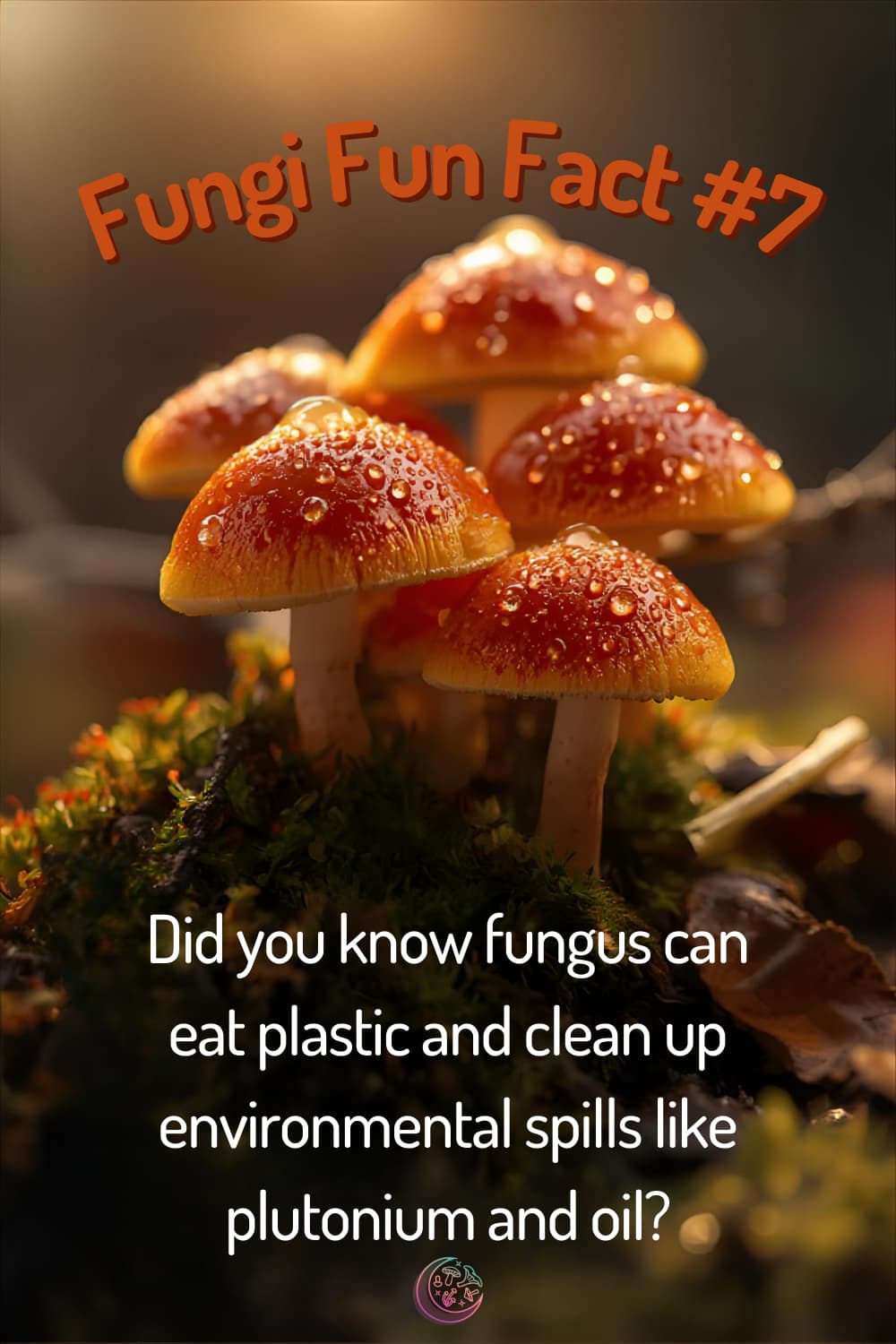
Scientists have discovered specific mushrooms that can actually eat plastic and digest oil spills.
This process is called bioremediation.
Imagine a world where we can use natural organisms to clean up toxic waste sites or shrink landfills!
If you want an answer that sounds futuristic and environmentally friendly, tell your class that fungi can break down pollutants and clean up the environment.
It gives me so much hope for the future of our planet.
Especially since the US government has completely dismantled the organizations which are supposed to protect our environment...
But I digress...I do that sometimes...
In 2011, students from Yale University discovered a fungus in the Amazon rainforest called *Pestalotiopsis microspora*. This fungus can survive solely by eating polyurethane (plastic) and can even do so in anaerobic (oxygen-free) environments, like the bottom of a landfill.
Mycologist Paul Stamets demonstrated that oyster mushrooms could clean up diesel-contaminated soil. In his experiment, a pile of soil saturated with diesel was inoculated with mushroom mycelium. After four weeks, the pile was teeming with life and the hydrocarbon levels dropped from 10,000 ppm (parts per million) to less than 200 ppm.
#8 Environmental Warriors
If you hate Styrofoam and plastic packaging as much as I do, you will love this next fact.
Companies are now using fungal mycelium (the root structure of mushrooms) to grow biodegradable packaging.
It is strong, lightweight, and when you are done with it, you can just throw it in your garden to compost.
It creates zero waste!
A unique answer to "What's one benefit of fungi?" is that they can be used to create sustainable, eco-friendly materials.
Mushroom mycelium is even being used to make eco-friendly building materials!
Imagine homes and buildings that are grown from mushroom mycelium!
Mushroom mycelium is even being used to create vegan mushroom leather that looks and feels just like leather!
Without all of the detrimental greenhouse gases from which cattle create, of course!
Styrofoam takes an estimated **500 years** to decompose in a landfill. In contrast, mushroom-based packaging (mycelium composites) is fully compostable and breaks down in a garden in about **45 days**.
Major companies like IKEA and Dell have already begun incorporating mushroom-based packaging into their supply chains to reduce their carbon footprint.
#9 Non-toxic pesticides
Let’s get a little weird for a second—fungi are excellent pest controllers.
There are types of fungi that specifically target insects that destroy crops.
While it sounds a bit like a horror movie for the bugs, it is great for farmers who want to avoid using harsh chemical pesticides.
This natural form of pest control keeps our food safe and protects the environment from toxic sprays.
Wow! Fungi protecting our environment and health even more than the US government...
There I go again....
So, you could say that fungi act as natural pesticides to protect crops.
It is nature keeping nature in check!
Entomopathogenic fungi, like *Metarhizium* and *Beauveria*, act as "biopesticides." When a spore lands on a target insect, it germinates and penetrates the insect's shell, eventually consuming it from the inside out.
So freaking cool!!!
Unlike chemical sprays that kill everything, specific fungi can be targeted to kill only pests (like termites or locusts) while leaving beneficial insects (like bees and butterflies) completely unharmed.
So, what's one benefit of fungi?
There you have it!
We just covered everything from cleaning up oil spills to making your morning toast possible.
Next time someone asks you "What's one benefit of fungi?" you won't just have one answer; you’ll have a whole list of fun facts to share.
Popular Articles...
You might like these
Mushroom benefits for women: Get relief and hormone harmony
Discover mushroom benefits for women, like Reishi, Lion's Mane, and Cordyceps, to enhance sleep, mood, hormones, energy, libido, and overall wellness naturally!
What is the best mushroom strain for microdosing and healing?
Best mushroom strain for microdosing? Learn how this potent strain helped one woman heal from childhood trauma and find self-love through microdosing
Does microdosing mushrooms give you energy? See what the experts say
Does microdosing mushrooms give you energy? It boosts brain activity, leading to increased mental and physical energy. It offers sustained energy with no crash
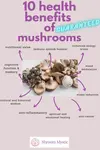
Are mushrooms good for you? 10 proven health benefits of mushrooms
Are mushrooms good for you? 10 proven health benefits that enhance physical, mental, emotional, and spiritual wellness. Explore the awesome world of mushrooms!
Microdosing mushrooms for mental health: The game changer you need.
Microdosing mushrooms for mental health. Explore how this practice can unearth your mind's potential and transform your mental health.

Recent Articles


-
How do you grow mushrooms? Everything you need as a beginner here.
Mar 12, 26 02:12 PM
 How do you grow mushrooms at home? Psilly Willy's Van makes it mac-n-cheese easy! Gourmet, medicinal & magic varieties. Guaranteed kits from a trusted grower.
 -
What Does Microdosing Mushrooms Do? A Medicine Woman's Voice
Feb 24, 26 10:21 PM
What does microdosing mushrooms do? Dive into enhancing awareness, fostering creativity, deep healing, boosting compassion, personal sovereignty, and more. -
Who Should Microdose? A Safety-First Guide to Microdosing Mushrooms
Feb 21, 26 10:18 PM
Wondering who should microdose psilocybin mushrooms? This safety-first guide covers who should avoid it, who benefits most, and why it matters. Learn more here. -
What Is a Functional Mushroom? Adaptogenic Powerhouses Explained
Feb 20, 26 07:37 PM
What is a functional mushroom? Discover how these adaptogenic superfood mushrooms can transform your health, + how to incorporate them into your daily routine. -
How to create a magic mushroom ritual that will rock your world
Feb 17, 26 10:07 PM
Magic mushroom ritual guide: Learn how to create a transformative ceremony from an experienced ceremonialist. Shift your world with this step-by-step approach.



Follow me and spread the spores!