"Let food be thy medicine and medicine be thy food."
Hippocrates
Discover the 6 Best Mushrooms for Gut Health
Does your stomach sometimes feel like it’s staging a rebellion?
You are definitely not alone!
Dealing with the bloating, the unpredictability, and that general "blah" feeling that modern medicine just can't seem to fix...
It is frustrating when you eat "healthy" but still feel awful, isn't it?
Well, nature might have hidden the answer in the forest floor.
Fungi are ancient healers, and finding the best mushrooms for gut health could be the turning point your belly has been waiting for.
Let’s leave the pharmacy aisle behind and dive into the fascinating world of medicinal mushrooms to see how they can soothe your system.
So, why are these fungi so good for your belly?
It all comes down to feeding the good guys.
Think of your gut microbiome as a garden; you need to fertilize the flowers, not the weeds!
Mushrooms are packed with tough fibers called chitin and beta-glucans.
While your body can't fully digest them, the beneficial bacteria in your gut absolutely love them.
These compounds act as powerful prebiotics, essentially serving as a gourmet feast for your microbiome.
When you use the best mushrooms for gut health, you are helping those good bacteria thrive, which can crowd out the bad stuff and keep your digestion humming along smoothly.
Mushroom polysaccharides (beta-glucans) act as effective prebiotics. They pass undigested into the colon where they stimulate the growth of *Lactobacilli* and *Bifidobacteria* (the "good guys").
Int. J. of Molecular Sciences (2017)
The human gut contains approximately 100 trillion bacteria, outnumbering human cells by a ratio of roughly 1.3 to 1.
Fungi are genetically closer to humans than they are to plants. This is why their defense mechanisms (like antibiotics produced to protect themselves) often work well within the human body.
#1 Turkey Tail
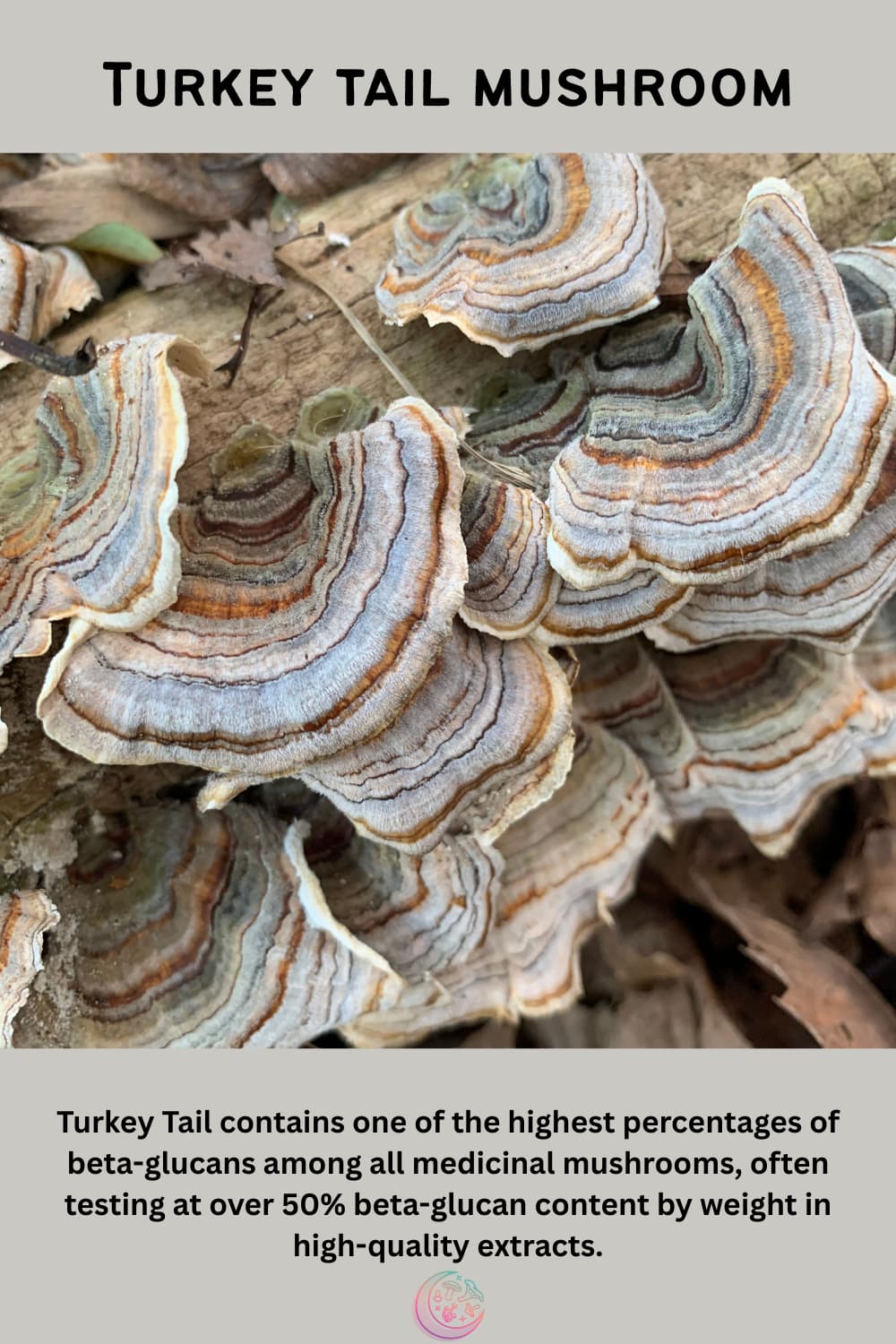
If you are looking for the heavy lifter of the fungal world, look no further than Turkey Tail.
This mushroom is beautiful—it actually looks like a colorful turkey’s tail!—and it is arguably the "Gut’s Guardian."
Turkey Tail is famous for containing polysaccharopeptides (try saying that five times fast!), which are compounds that help regulate your immune system right where it counts: in your digestive tract.
If you are trying to rebuild your gut flora after a round of antibiotics, or if you just need a shield against daily toxins, Turkey Tail is a fantastic place to start your shortlist.
A randomized clinical trial showed that polysaccharopeptide (PSP) from Turkey Tail acted as a prebiotic, regulating the human microbiome. It specifically helped stabilize gut bacteria levels, which is crucial after the disruption caused by antibiotics.
Gut Microbes (2014)
In Japan, a compound derived from Turkey Tail called "PSK" (Krestin) is an approved prescription drug used alongside chemotherapy to support the immune system.
Free 4-Part Microdosing Mushrooms Class
#2 Lion's Mane
Have you ever noticed that when you are stressed, your stomach hurts?
That is the "brain-gut connection" at work.
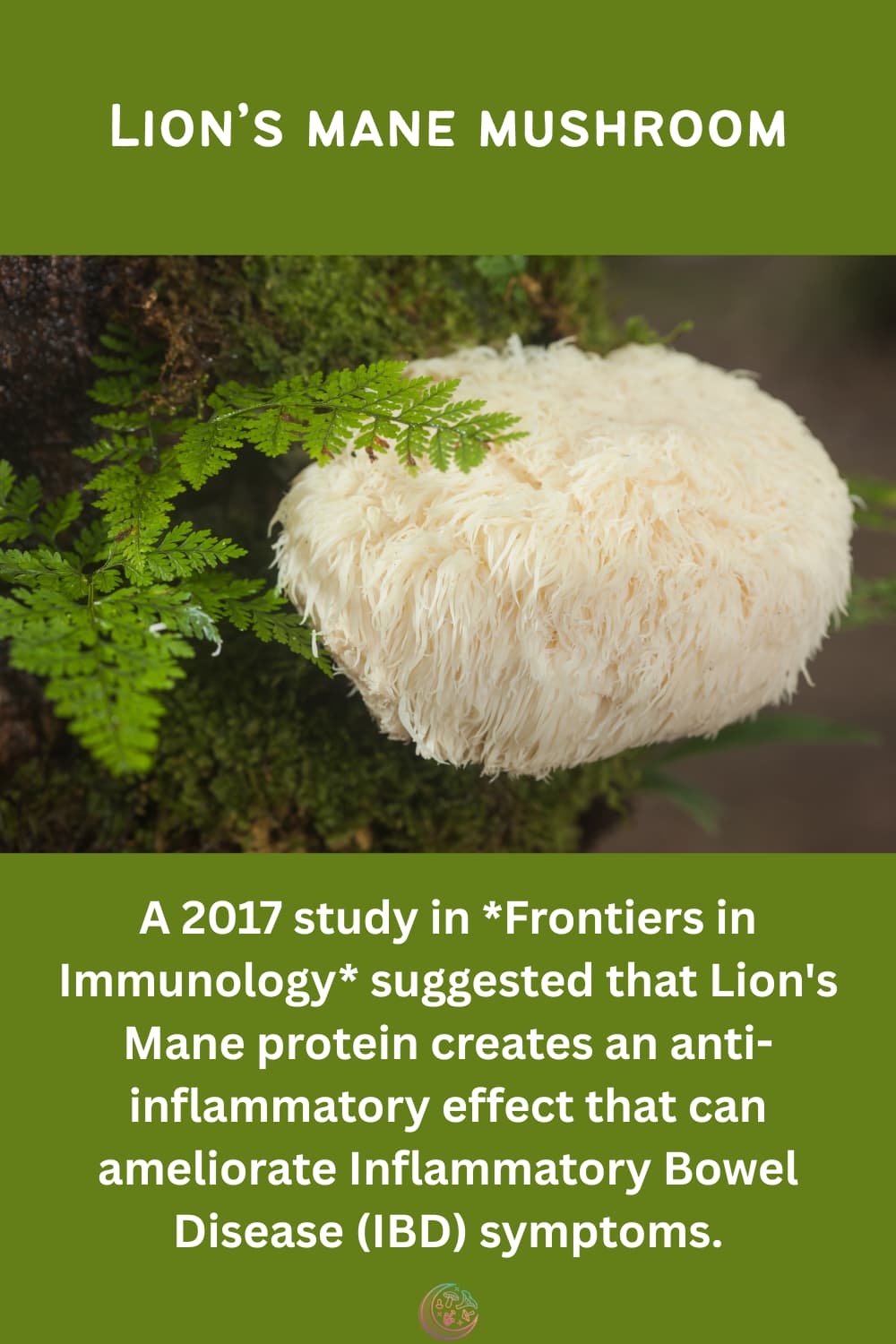
Enter Lion’s Mane, the shaggy white mushroom that looks like a pom-pom.
While it is famous for boosting memory, it is also a superstar for your digestion and one of the best mushrooms for gut health!
Lion's Mane supports the enteric nervous system—often called your "second brain"—and helps regenerate the mucous membrane in your stomach.
If you are dealing with leaky gut issues or just feel like your digestion is tied to your mental fog, Lion's Mane is the dual-threat friend you need.
A study found that Lion's Mane extract significantly inhibited the growth of *Helicobacter pylori* (H. pylori), the bacteria responsible for most stomach ulcers, and protected the stomach lining from damage.
Int. J. of Medicinal Mushrooms (2013)
Lion's Mane stimulates the synthesis of Nerve Growth Factor (NGF). Since the gut is lined with millions of nerve cells (the enteric nervous system), NGF support is vital for maintaining the integrity of the gut lining and proper digestive motility.
#3 Reishi
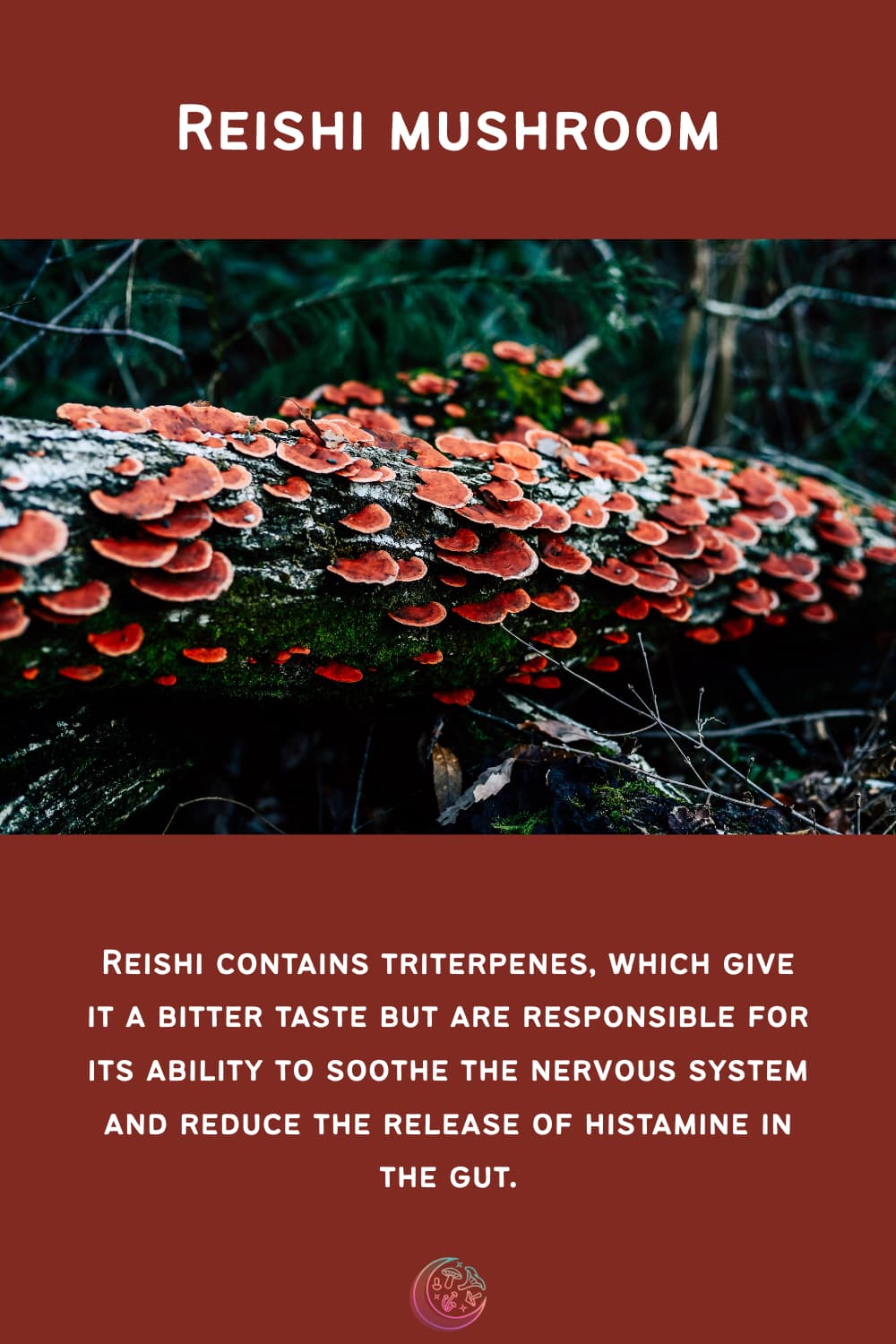
Speaking of stress, let’s talk about the Queen of Mushrooms: Reishi.
If your gut issues flare up whenever life gets chaotic, Reishi is your go-to.
It is one of the most powerful adaptogens and best mushrooms for gut health, meaning it helps your body adapt to stress and find balance.
Instead of forcing your body to do something, it gently calms your nervous system.
By lowering your stress levels, Reishi allows your digestive system to relax and do its job without cramping up.
It is like a warm, soothing hug for your insides!
A study demonstrated that Reishi mycelium reversed gut dysbiosis (imbalance) and obesity in mice by modulating the composition of the gut microbiota. It specifically reduced the ratio of "bad" bacteria associated with metabolic disorders.
Nature Communications (2015)
Reishi has been used for over 2,000 years in Traditional Chinese Medicine and was once reserved exclusively for royalty due to its perceived ability to promote longevity.
#4 Chaga
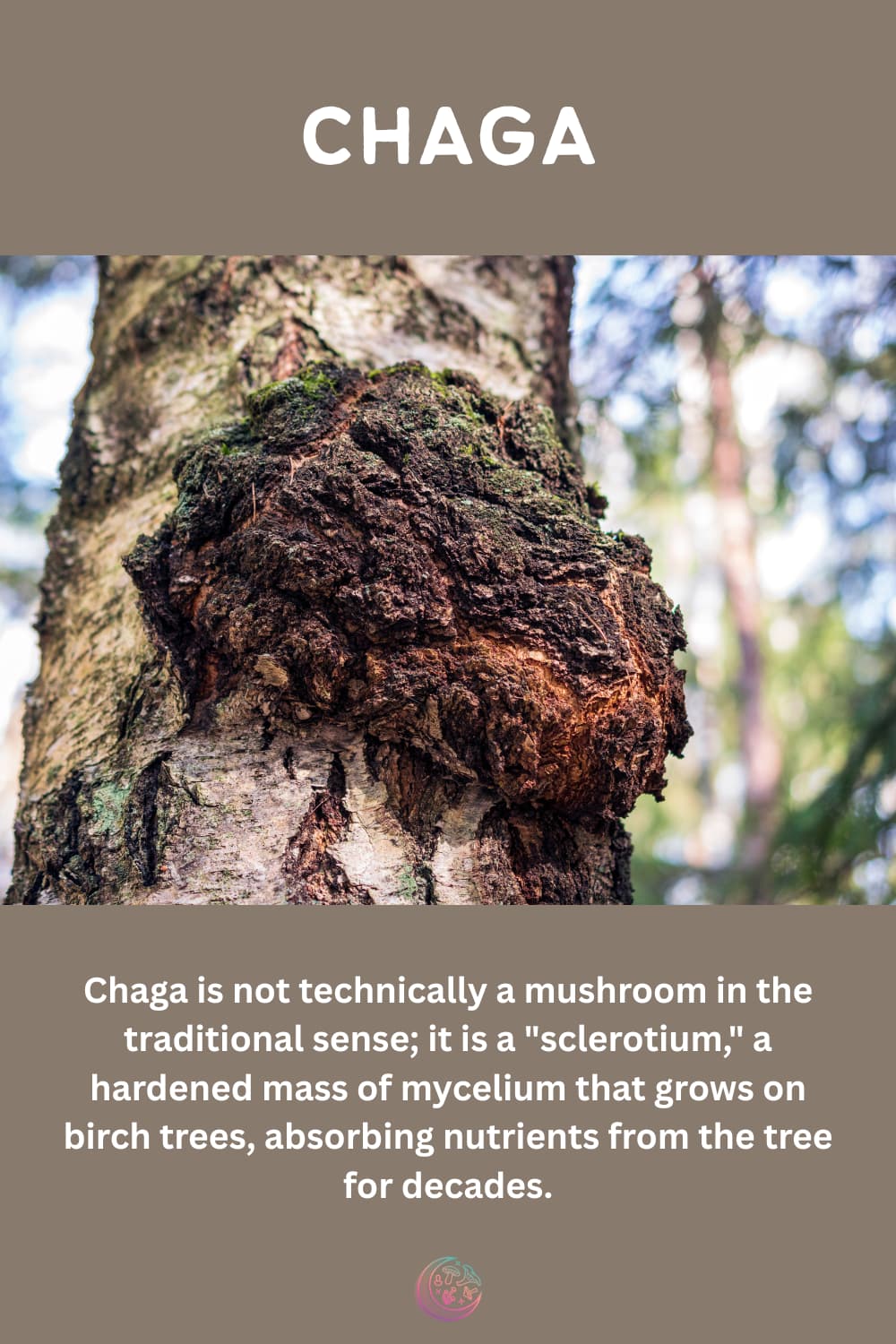
Sometimes, the problem isn't just stress; it's inflammation.
That is where Chaga comes in.
It looks like a burnt clump of charcoal growing on birch trees, but don't let its looks fool you!
Chaga is an antioxidant powerhouse.
Think of it as a fire extinguisher for your bowel.
If you are battling heat, redness, or irritation in your digestive tract, Chaga helps cool things down.
It is particularly good for those looking to soothe the lining of the gut and protect cells from damage.
Chaga extract reduced oxidative stress in lymphocytes (white blood cells) by over 40% in patients with Inflammatory Bowel Disease (IBD).
BioMed Research International
Chaga has one of the highest ORAC (Oxygen Radical Absorbance Capacity) scores of any food on earth. While blueberries have an ORAC score of roughly 4,600, Chaga can score over 140,000, making it exponentially more effective at quenching free radicals that cause inflammation.
#5 Shiitake and #6 Maitake
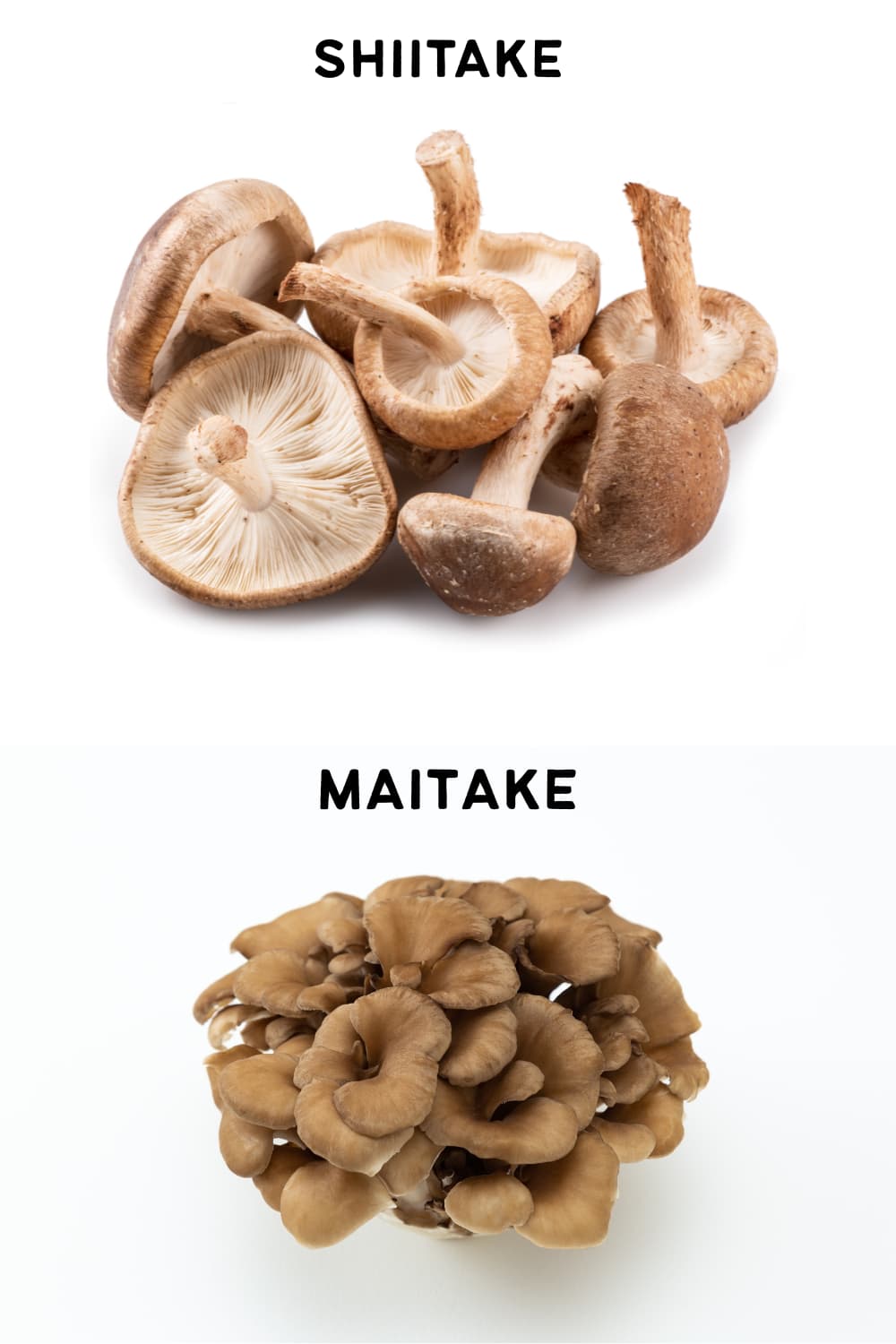
You don't always need to buy fancy supplements to get these benefits; the grocery store has heroes, too!
Culinary mushrooms like Shiitake and Maitake are delicious, packed with healing potential and are some of the best mushrooms for gut health.
They contain Lentinan and other beta-glucans that support immunity and digestion.
A study had participants eat one serving of cooked Shiitake mushrooms daily for four weeks. The results showed a significant increase in Secretory IgA (sIgA), an antibody that serves as the first line of defense in the gut lining, and a reduction in inflammatory proteins (CRP).
University of Florida (2015)
Maitake is known as the "Dancing Mushroom" in Japanese folklore because people would allegedly dance with joy upon finding it in the wild due to its immense value and health benefits.
Why not sauté some Shiitake with garlic for dinner?
It is a tasty way to get your medicine.
Remember, diversity is key!
Just like a forest has many types of trees, your gut loves a mix of different fungal fibers.
"Stacking" or rotating different mushrooms can lead to a stronger, more resilient microbiome.
Always cook your culinary mushrooms
Here is a golden rule you must never break: always cook your mushrooms!
Raw mushrooms are incredibly tough for humans to digest because of their chitin cell walls.
Eating them raw can actually cause *more* bloating and stomach upset—the exact opposite of what we want!
Heat breaks down those tough walls and unlocks the medicinal goodies inside.
Whether you are making a tea, a soup, or taking a supplement, make sure it has been heat-treated or "hot water extracted."
This ensures bioavailability, so your body can actually absorb the magic.
The cell walls of mushrooms are made of chitin, the same tough substance found in the shells of lobsters and crabs. Humans lack sufficient amounts of the enzyme (chitinase) to digest this effectively, which is why heat is required to break the cell walls and release the nutrients.
Getting your hands on the best mushrooms for gut health
Now, how do you actually buy this stuff?
With functional mushrooms, or supplements, extracts are the gold standard in the medicinal mushroom world and is what is used in all the clinical trials.
If you want convenience, capsules are great.
If you like rituals, mixing a powder into your morning coffee or smoothie is wonderful.
When looking at labels, try to find products made from the "fruiting body" (the actual mushroom) rather than "mycelium on grain" (which is mostly starch).
Look at specialty stores like Whole Foods and your local health food stores plus local markets for culinary and gourmet mushrooms.
Always support your local farmers when you can!
Many mass-market mushroom supplements are "mycelium on grain." This means the root system is grown on rice or oats, and the final product is ground up with the grain. Studies show these products often contain 30-60% starch (filler) and significantly fewer beta-glucans than products made from the whole fruiting body.
If you are familiar with me, you know it makes my blood boil with the level of deception and straight up ignorance when it comes to over 95% of functional mushroom supplements.
Companies don't know what they are doing, they are just hopping on the medicinal mushroom bandwagon...because mushrooms are having their moment, aren't they?!
Read my article on buying a legit mushroom supplement below.
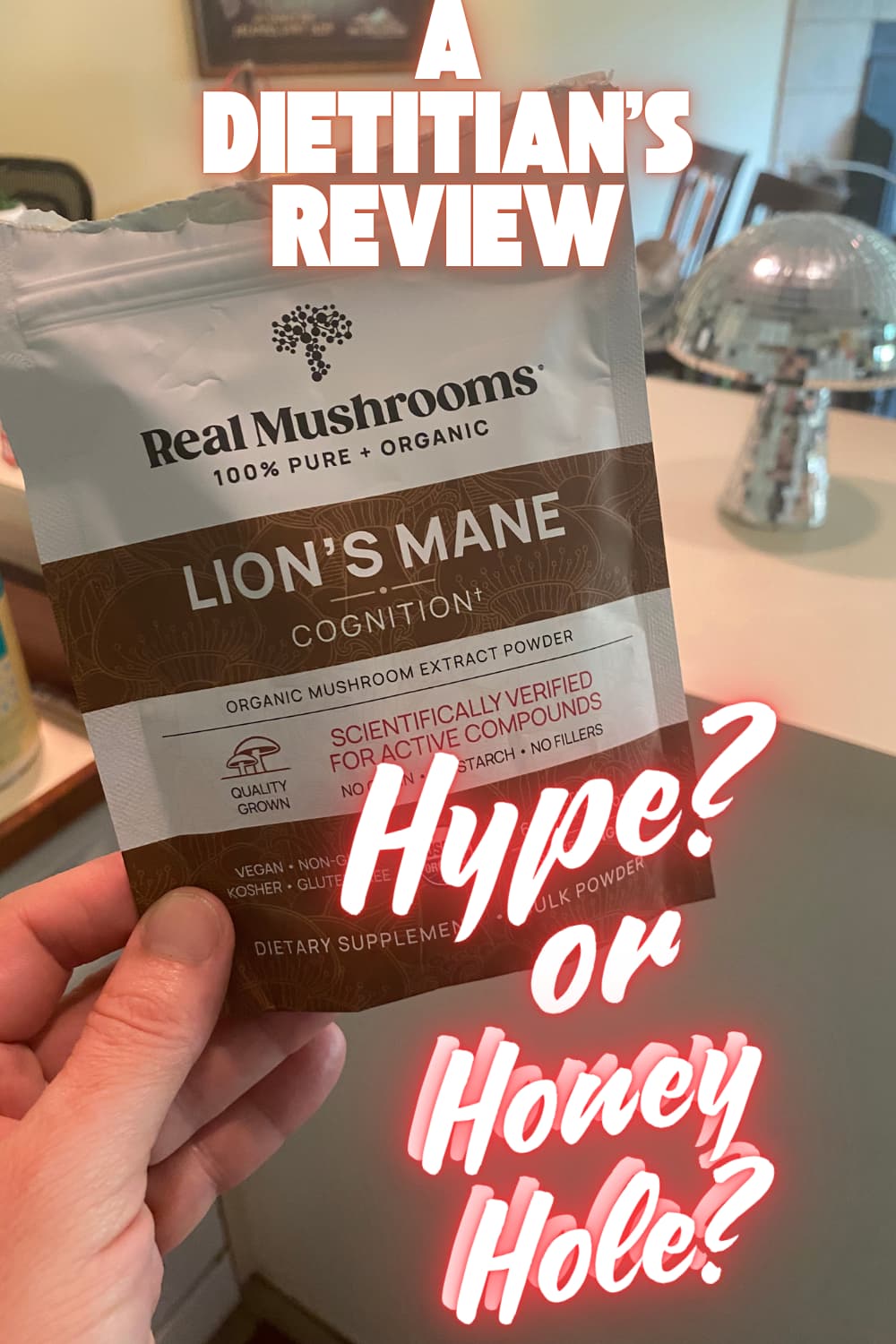

If you purchase a produce through the links on this page, I receive a small commission at no cost to you. I was not paid to review these products, and I did not receive it as a freebie. I'm suggesting it to you because I own it and love it, and I think you would, too. For more info, please see this policy.
As an Amazon affiliate I earn from qualifying purchases.
Let's talk safety
Start slow!
Take half the recommended dose for the first few days to let your body adjust.
You are introducing a potent new food, and you want to be gentle with your system.
While mushrooms are generally safe, they are potent immune modulators.
If you have an autoimmune condition, are pregnant, or take blood thinners, you should chat with a holistic doctor first.
Also, listen to your body! Some people might experience a little gas at first as their microbiome changes (that’s the bacteria having a party), but it should pass.
If you have a known mold or yeast allergy, proceed with caution.
It is always better to be safe and informed than sorry!
Healing your gut is a journey, not a sprint.
You won't fix years of digestive issues overnight, but adding these fungi to your routine is a powerful step in the right direction.
Whether you choose:
- Turkey Tail for immunity,
- Reishi for stress, or
- Lion's Mane for that brain-gut link,
...consistency is the secret sauce.
Try sticking with one or two for a month and see how you feel.
You have the knowledge now to choose the best mushrooms for gut health and take control of your well-being.
Here’s to a happier belly and a healthier you!
Popular Articles...


You might like these
Medicinal Benefits of Mushrooms: Earth's Timeless Remedies and Wonders
Explore the medicinal benefits of mushrooms. Dive into history, modern science and nature's healing magic!
Lion's mane mushroom benefits: Harness incredible power for health
Delve into the mighty realm of Lion's Mane mushroom benefits, known for their brain-boosting, immunity-enhancing, and anti-inflammatory properties
Lion's mane mushroom supplement guide: A dietitian's buying tips
Find your perfect lion's mane mushroom supplement with expert tips for informed buying decisions.


Recent Articles


-
How do you grow mushrooms? Everything you need as a beginner here.
Mar 12, 26 02:12 PM
 How do you grow mushrooms at home? Psilly Willy's Van makes it mac-n-cheese easy! Gourmet, medicinal & magic varieties. Guaranteed kits from a trusted grower.
 -
What Does Microdosing Mushrooms Do? A Medicine Woman's Voice
Feb 24, 26 10:21 PM
What does microdosing mushrooms do? Dive into enhancing awareness, fostering creativity, deep healing, boosting compassion, personal sovereignty, and more. -
Who Should Microdose? A Safety-First Guide to Microdosing Mushrooms
Feb 21, 26 10:18 PM
Wondering who should microdose psilocybin mushrooms? This safety-first guide covers who should avoid it, who benefits most, and why it matters. Learn more here.




Follow me and spread the spores!