"I was bathed in God's love, and that lasted for hours. I came out of it not fearing death anymore."
Dinah Bazer, cancer patient and psilocybin study participant (NYU)
FREE MICRODOSING class with newsletter sign up. Click here!
How Mushrooms and End of Life Care Are Bringing Peace, Relief, and Hope to Patients Facing Terminal Illness
End of life care & Psilocybin mushrooms:
A Compassionate Guide to the Science, Stories, and Pathways Forward
If you're reading this, chances are you or someone you love is facing one of life's most difficult journeys—and you're searching for something that can ease the:
- fear
- the despair
- the existential crises that often comes with a terminal diagnosis.
You've heard about mushrooms and end of life.
I have lived this journey myself, with my dad, who died from pancreatic cancer in 2017.
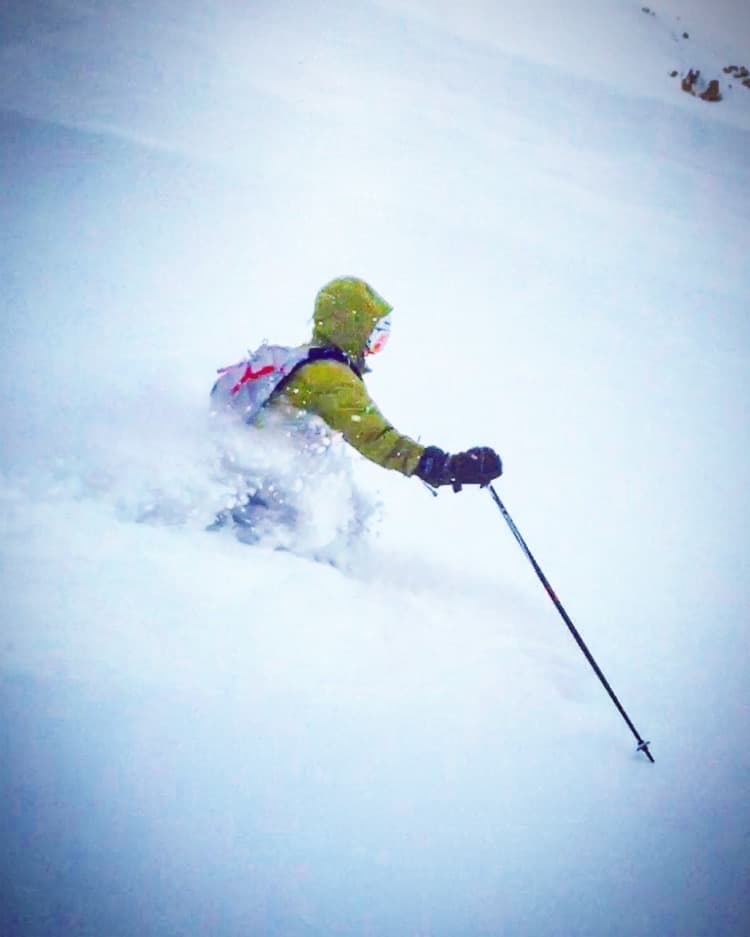
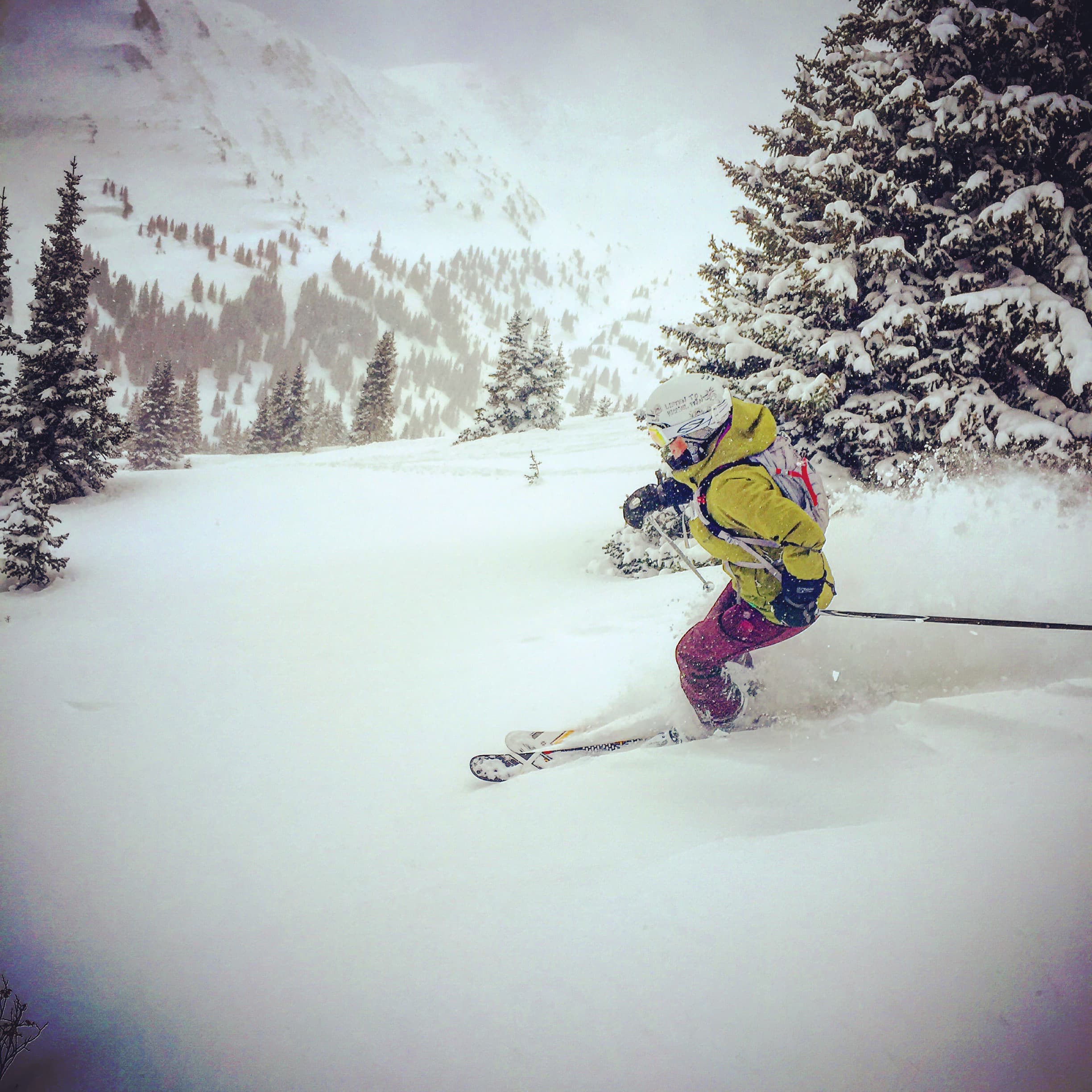
I am grateful for my dad because he gifted us with skiing at the age of 5 in Taos, New Mexico. To this day skiing is my happy place, where I have had personal connections with God, and is a bottomless source of kid happiness and joy...and it has allowed me to forgive my dad.
I saw the strong, football player/firefighter/man that I always knew as a little girl, wilt into a crying little boy before my very eyes after he was diagnosed.
He was so afraid, filled with guilt, shame and regret...
And if I could take that away from him during his last short moments of time in this dimension, you bet your bottom dollar I would have helped him with that if I would have known about psilocybin for end of life care back then.
Without a doubt.
My dad was a tortured soul and little boy, too.
Hurt people hurt people, and my dad never healed from his childhood traumas.
Not only was it hard to watch him lose his battle with cancer, it was gut-wrenching to witness his existential crisis.
As an 11-year-old child, I witnessed my grandfather's journey and decline with Alzheimer's, and I will never forget the day he forgot who his whole family was.
I watched him, too, suffer from the confusion Alzheimer's drowns its victims in.
Something psilocybin could have helped him with...
I didn't start working with the mushrooms for healing until a few years after my dad passed, but I would have given them to him and my grandfather in a heartbeat had I known about the powerful end-of-life comfort they offer someone with a terminal illness.
Free 4-Part Microdosing Mushrooms Class
Additionally, Papa T- my husband's father, did microdose mushrooms for the 3 years he fought his colorectal cancer.
And he died very peacefully...not afraid of death, ready to see his brother again (his brother died in the Vietnam War), happy as a clam his Denver Nuggets finally won a championship, and deep in trust, love and faith with his Creator.
A very different story than my dad's and grandpa's...
It is worth mentioning that I microdosed both of my dogs...
...For the last 5 years of Jackson's (13 1/2 year) life when he was ill with his rare autoimmune disease...but he always amazed his doctors with his health, vitality and longevity.
Jackson's autoimmune disease was neurological, so that being where psilocybin shines, it was a no-brainer to me to microdose him.
I noticed a more calm, social, and happy pup with his microdoses...and, over time, that changed into his norm (the accumulation effect of psilocybin).
Again, this, blew all of his doctor's minds.
Franti survived Mast Cell Cancer after surgery (with high quality CBD, medicinal mushrooms, plus microdoses of psilocybin).
He was a happy boy with a ravenous appetite and waggy tail just hours before he claimed himself at 3 months shy of 14...
Mast Cell Cancer is devastating to dogs, and Franti did well with surviving it once I switched both of my boys over to raw diets, functional and psilocybin mushrooms, and CBD.

Maybe you've heard whispers about psilocybin, the active compound in "magic mushrooms," being used in hospice settings or clinical trials.
Maybe you're skeptical but desperate.
Maybe you're curious but overwhelmed by the legal gray areas and the sheer newness of it all.
Here's what I want you to know right away
End of life care psilocybin mushrooms is not science fiction, and it's not just hype.
It's a growing field of research backed by real studies, real patients, and real outcomes that have transformed how people face death.
You deserve to understand what's actually happening in this space:
- the evidence
- the ethics
- the access points, and
- the human stories—so you can make the most informed, values-aligned decision for yourself or your loved one.
This article is here to walk you through it all, with compassion, clarity, and without false promises.
Let's start with the science
Because that's where hope meets evidence.
Over the past two decades, researchers at institutions like Johns Hopkins, NYU Langone, and Imperial College London have been conducting rigorous clinical trials on psilocybin for terminal cancer anxiety, depression, and existential distress.
What they've found is remarkable
A single high-dose psilocybin session, combined with psychological support, can produce rapid and sustained reductions in anxiety and depression in people with life-threatening cancer.
In landmark studies published in the *Journal of Psychopharmacology* (2016), about 80% of participants showed clinically significant decreases in depressed mood and anxiety, and these benefits often lasted six months or longer—sometimes until death.
Patients reported feeling less afraid of dying, more connected to loved ones, and more at peace with the life they'd lived.
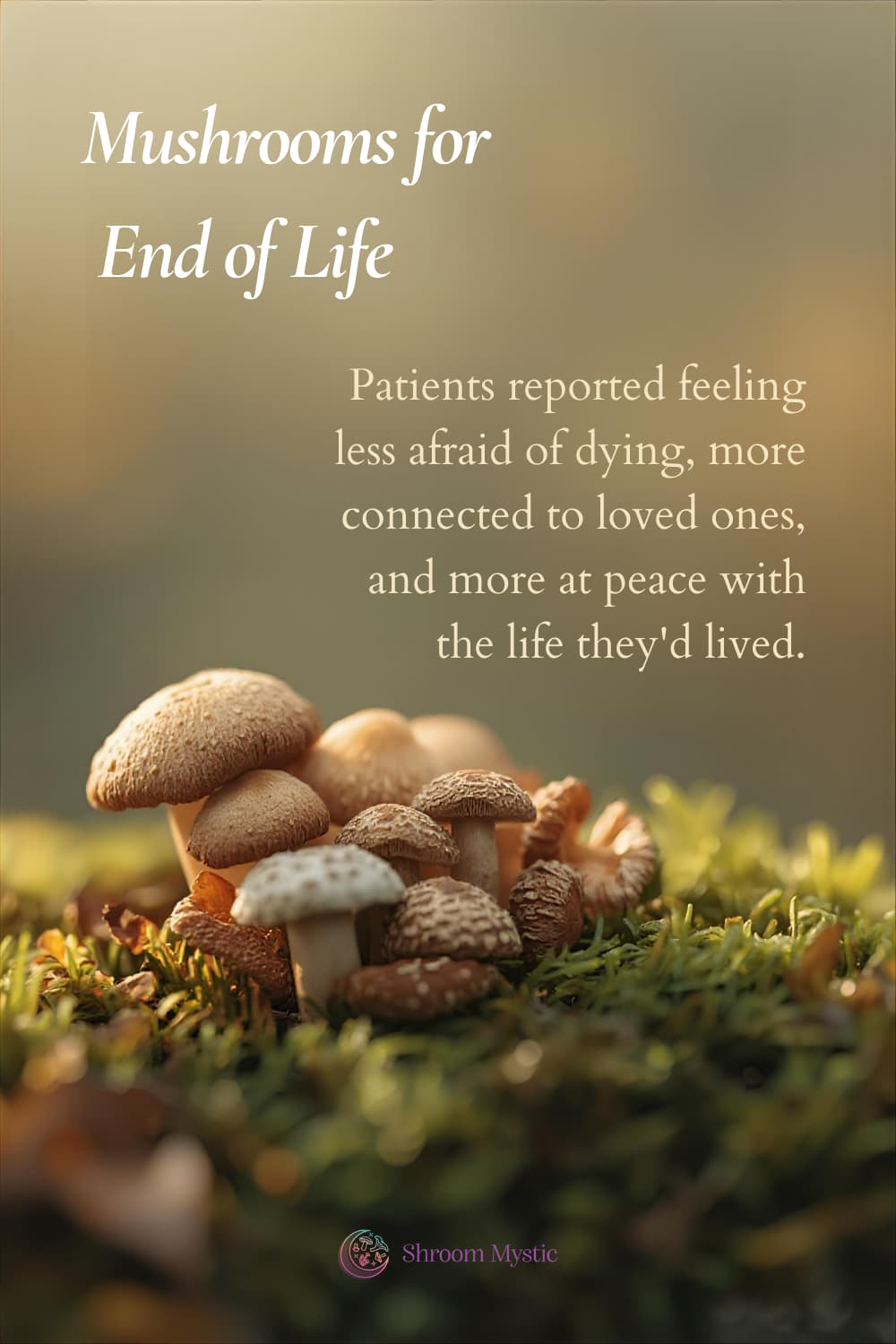
Who doesn't want their loved one to pass feeling like this?!
Let's all be real here.
Who doesn't want to die like this?!
The research measures outcomes using validated scales like the Beck Depression Inventory and the State-Trait Anxiety Inventory, and the results consistently show that psilocybin can address the psychological and spiritual suffering that conventional palliative care sometimes struggles to touch.
We do a terrible job at honoring our loved one's journey to death in this modern world. We go about it all wrong. Our loved ones deserve to pass with peace, dignity, love and celebration. We focus of the sadness and fear surrounding death. A terminal illness is hard to witness, yes, and it is a very human experience that no doubt will change you at your core. Psilocybin mushrooms allows us as humans to experience passing into the next realm with peace, contentment, and God's love wrapping us up in a blanket like a newborn baby being birthed into our soul's next footsteps. And our loved ones are also supported by the medicine when grieving our journey to the next frequency of light.
Erin
So how does it actually work?
Psilocybin is a naturally occurring psychedelic compound that, when ingested, is converted in the body to psilocin, which acts on serotonin receptors in the brain—particularly the 5-HT2A receptor.
This interaction leads to profound changes in:
- perception,
- emotion, and
- cognition.
But here's the key
In therapeutic settings, it's not just about the neurochemistry.
The psilocybin hospice model (and similar palliative frameworks) pairs the medicine with intensive psychological preparation and integration.
You don't just take a microdose and hope for the best.
Patients typically undergo two to three preparatory sessions with trained therapists to build trust, set intentions, and address fears.
Then comes the dosing session
—usually a single high dose (around 2-3 grams of pure psilocybin) taken in a calm, supportive environment with therapists present.
The experience lasts about six hours, often with music, eyeshades, and minimal interruption.
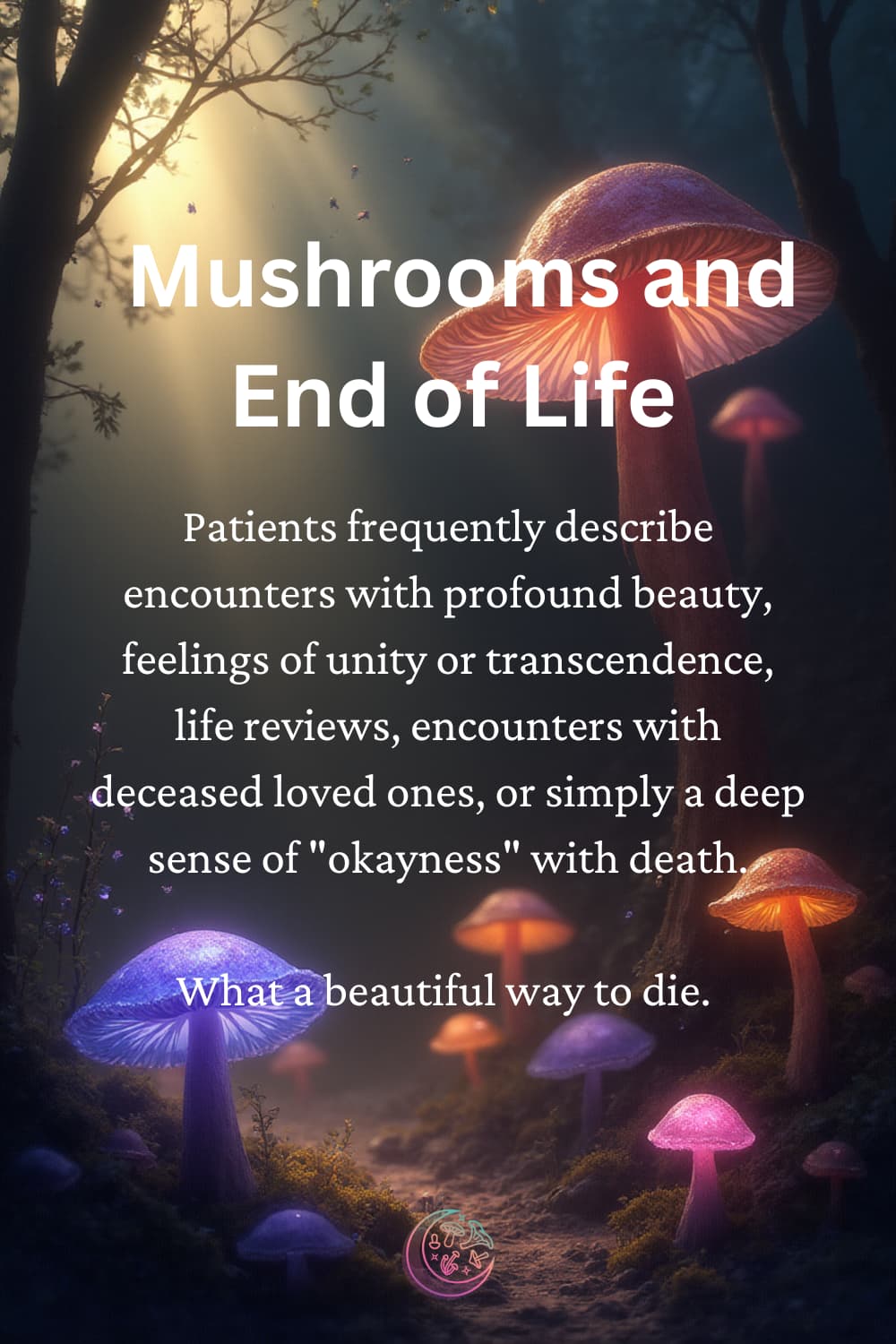
Patients frequently describe encounters with profound beauty, feelings of unity or transcendence, life reviews, encounters with deceased loved ones, or simply a deep sense of "okayness" with death.
Afterward, integration sessions help patients make sense of what they experienced and weave those insights into their remaining days.
It's a structured, intentional process—not recreational, not reckless.
Let me share a real story
-because numbers only tell part of the truth.
In the NYU study, a woman named Dinah Bazer, a ovarian cancer survivor facing recurrence and end-of-life anxiety, participated in a psilocybin-assisted therapy session.
She later described it publicly: during her journey, she felt herself dissolving into the universe, experiencing a sense of love and interconnectedness that obliterated her terror of death.
She saw her cancer not as an enemy but as part of the natural cycle of life.
Months later, she reported that the fear that had paralyzed her was simply *gone*.
She spent her remaining time with family feeling grateful, present, and unafraid.
Another participant
A retired journalist named Patrick Mettes, described his psilocybin experience as feeling "bathed in God's love."
He died peacefully several months later, and his widow said the session gave him—and her—a gift of closure and peace they never thought possible.
Patients often use words like:
- "rebirth,"
- "forgiveness,"
- "acceptance," and
- "love"
-to describe what happened.
And caregivers report that their loved ones became more emotionally available, less withdrawn, and more able to say the things that needed to be said before dying.
Who wouldn't want this for their loved ones around the time they pass?
There is a woman who inspired me to write this article. I was following her on LinkedIn, and she was microdosing her husband who was days from passing from Alzheimer's.
She was video documenting his end-of-life journey with him microdosing mushrooms and his journey was so peaceful...as was hers, until the moment he passed, just a few days ago.
It makes me think so much of my dear friend Joanie, who is like a mom-figure to me (even her name is a family name so I know my guardian angels have orchestrated our friendship).
She cared for her husband, Chris, for a decade as he declined with early onset Alzheimer's. He was a brilliant anesthesiologist and dad who was loved by everyone.
Joanie was just 49 when she stopped her beloved career as a nurse anesthetist to care for Chris at home.
Watching this woman's story brought tears to my eyes every time, because it made me think of Chris and Joanie, my grandfather and my dad...
I wish I could take a Time Machine back and give everyone psilocybin mushrooms to make their journeys smoother...
Erin
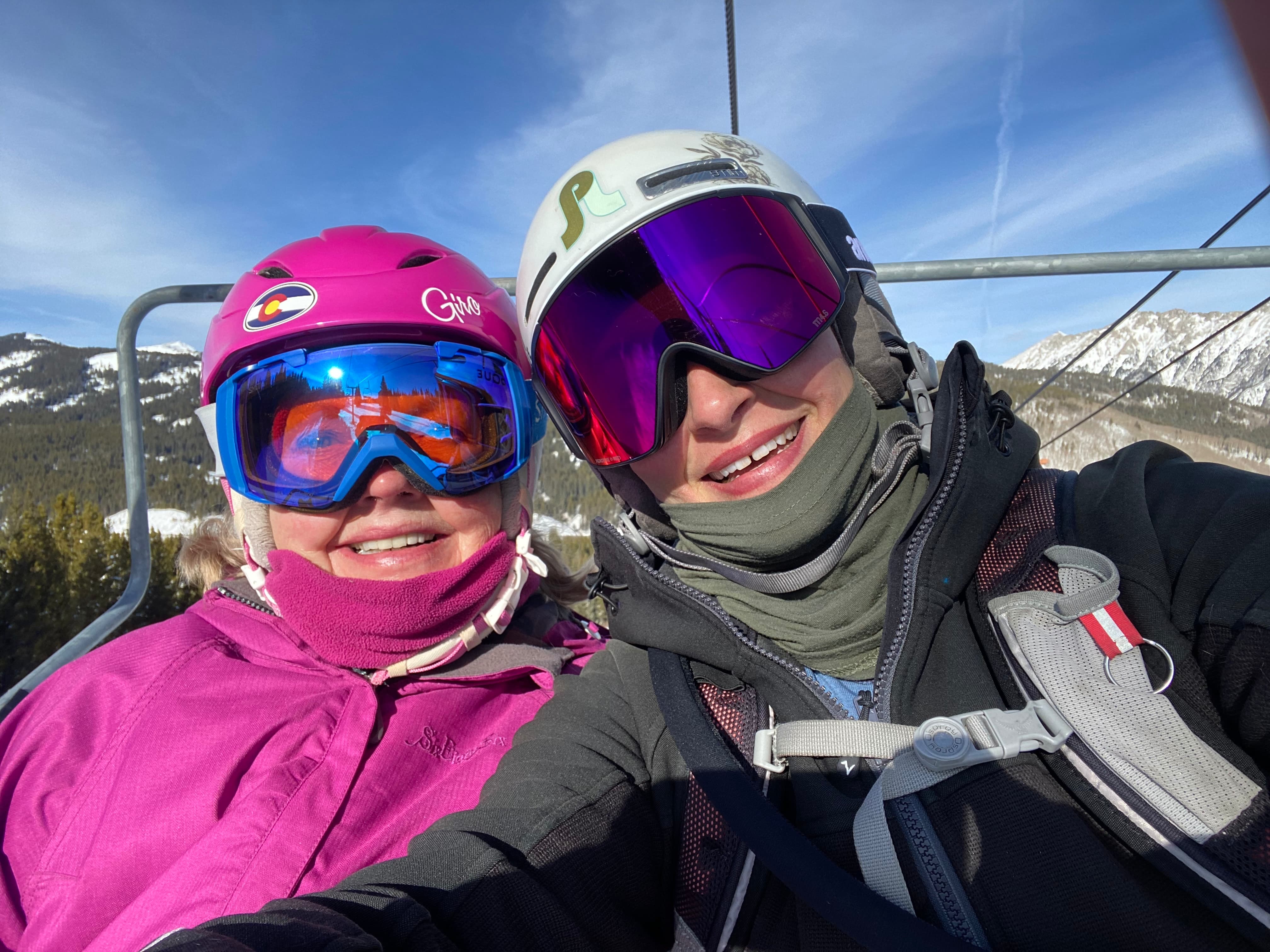
Joanie and I skiing Feb 2026 - she's 77! I love you Joanie!
I’m so thankful for wandering into the Shroom Mystic rabbit hole and meeting Erin. I’m 77 and was lost in the post Alzheimer’s caregiving hole. Depression and anxiety about being in the normal world when I was not normal. I was hesitant about the microdosing but Erin and her amazing website combined with her book and personal help with Stream of Consciousness journaling , I’m functioning at a much healthier level. I’ve learned so much about the many different types and applications of shrooms by moving about her wonderful site. It’s as though she is right there with me. Thank you Erin.
Joanie T.
Now, let's talk about safety and who this *isn't* for
-because informed consent means understanding risks.
Psilocybin is physiologically very safe—it's non-addictive, has low toxicity, and there are no known lethal overdoses in humans.
But it *is* psychologically intense, and it's not appropriate for everyone.
People with a personal or strong family history of schizophrenia or bipolar disorder (especially mania) are typically excluded from studies due to the risk of triggering psychosis or mood destabilization.
Cardiac concerns are also screened carefully, though psilocybin's cardiovascular effects are generally mild and transient.
Medication interactions matter, too: SSRIs and other serotonergic drugs can blunt psilocybin's effects, and combining it with MAOIs or certain other medications can be dangerous.
Medical screening is essential
In research settings, participants undergo thorough medical and psychiatric evaluations.
The most common adverse effects during sessions are:
- nausea,
- temporary confusion, and
- emotional overwhelm
—sometimes called a "challenging experience" or, colloquially, a "bad trip."
But in supervised settings with trained guides, these moments are often worked through and can even become therapeutically valuable.
The key is *never* to do this alone, especially at the end of life.
The vulnerability is too great, and the potential for psychological harm without support is real.
Here's where it gets tricky: access and legality
As of 2025, psilocybin remains a Schedule I controlled substance under U.S. federal law, meaning it's illegal to possess, sell, or use outside of approved research or specific state programs.
But the landscape is shifting *fast*.
Oregon and Colorado have legalized regulated psilocybin services for adults (not restricted to terminal illness), though availability is still ramping up.
Several cities have decriminalized possession.
In Canada, patients with terminal illness can apply for a Section 56 exemption from Health Canada for legal access to psilocybin therapy, and hundreds have been granted.
Australia recently reclassified psilocybin, allowing authorized psychiatrists to prescribe it for treatment-resistant depression (though end-of-life use is still emerging there).
Clinical trials continue at major universities, and some patients can access psilocybin through compassionate use or expanded access programs if they meet strict criteria.
But let's be honest: for most people, access is *hard*
Trials have waitlists.
State programs are new and limited.
Costs can range from $1,500 to over $3,000 for a full therapeutic protocol, and insurance almost never covers it.
This is where the ethical tension lives: people are suffering *now*, and the legal pathways are narrow.
Some families quietly pursue underground or self-directed use, which carries legal and safety risks but feels like the only option when time is running out.
If you're considering self-directed use
—and I know many of you are, even if you won't say it out loud—please hear this:
Harm reduction is your #1 priority.
I'm not going to tell you what to do, but I *will* tell you how to be safer if you proceed.
First, source matters.
Psilocybin mushrooms vary wildly in potency, and contamination or misidentification can be dangerous.
Growing them is the best option for safety.
Start with a much lower dose than you think you need (1–2 grams of dried mushrooms for a first experience, not 3.5–5 grams).
Have a sober, trusted "trip sitter" present—someone calm, compassionate, and ideally with some knowledge of psychedelic support.
Create a safe, comfortable environment: low lighting, calming music, no interruptions.
Screen for contraindications yourself as best you can (mental health history, medications, current physical state).
Set intentions beforehand: like...What are you hoping to find or release?
And plan for integration: talk to someone afterward, journal, or seek a therapist trained in psychedelic integration (directories exist online).
If the person is very frail or near death, consult with a hospice nurse or palliative care doctor.
The goal is to avoid trauma, panic, or medical crisis during an already fragile time.
Let's zoom out and talk about the bigger ethical and cultural questions
There's a live debate in bioethics and psychedelic circles about consent, coercion, and the "right to try" at the end of life.
Can someone with severe depression or cognitive decline from illness truly give informed consent to a powerful psychedelic experience?
Who decides?
What if family members pressure a dying person to "try this" when they're not ready?
On the flip side, what if a competent, suffering person is denied access because of paternalistic gatekeeping or outdated drug laws?
There's also the tension between medicalization and spiritual use
Indigenous communities have used psilocybin mushrooms sacramentally for millennia, and some critics rightly point out the risk of cultural appropriation and "psychedelic capitalism"—wealthy Westerners commodifying these medicines while the communities who stewarded them face criminalization and erasure (thanks to Trump).
Equity and access are huge
If psilocybin therapy becomes available only to those who can afford $3,000 and navigate complex legal systems, we've failed.
And there are valid critiques about evidence quality—most studies are small, lack long-term follow-up, and can't be truly double-blinded (you *know* when you've taken psilocybin).
We need more research, more diverse populations, and more transparency about harms.
All of this matters if you're trying to make a values-aligned decision or advocate for policy change.
What about the family?
One of the most profound—and underreported—aspects of end-of-life psilocybin use is its relational impact.
Patients often emerge from sessions with a fierce desire to reconcile, to forgive, to say "I love you" in ways they couldn't before.
Caregivers describe their loved ones becoming less emotionally shut down, more present, more able to engage in legacy work like writing letters, recording stories, or simply being *with* family without the fog of terror.
But it can also be disorienting for families who don't understand what happened.
("Mom took mushrooms and now she's talking about meeting her dead sister and feeling at peace—what do we do with that?")
Integration is for the whole family, not just the person near death.
If you're a caregiver considering this
Talk openly with your loved one about what they hope for, what they fear, and what "success" would look like.
If they proceed, be prepared to hold space for experiences that might sound strange or mystical but are deeply real to them.
And if *you're* the patient
Know that sharing your insights—gently, without pressure—can be a gift to those you'll leave behind.
It can help them understand your peace, and sometimes, it even begins *their* healing before you're gone.
Popular Articles...
So where does this leave you, right now, reading this?
If you're a patient, you might be feeling a flicker of hope—or maybe skepticism mixed with desperation.
That's okay.
Psilocybin isn't a magic cure, and it won't work for everyone, but the evidence suggests it *can* offer profound relief from the existential suffering that often accompanies terminal illness.
If you're a caregiver, you might be wondering if you're "allowed" to even bring this up, or if it's too risky, too weird, too late.
Here's my take: you're allowed to explore every ethical, evidence-based option that might bring comfort.
Start by talking to your palliative care team—more clinicians are aware of this research than you'd think, and some may know of trials or compassionate access routes.
Search for clinical trials at ClinicalTrials.gov using terms like "psilocybin palliative" or "psilocybin cancer anxiety."
Look into organizations like MAPS (Multidisciplinary Association for Psychedelic Studies), the Usona Institute, or Compass Pathways, which run or support research.
If you're in Canada, ask your doctor about Section 56 exemptions.
If you're in Oregon or Colorado, research state-licensed facilitators (though eligibility and availability vary).
And if none of that works and you're considering another path, please prioritize safety, legality, and harm reduction.
You're not alone in this, even when it feels like it.
At the end of the day—and I mean that both literally and metaphorically
—this is about dignity, compassion, and the belief that every person deserves to face death without being consumed by terror.
Psilocybin-assisted therapy is not a panacea, and it's not for everyone, but it represents a paradigm shift in how we think about end-of-life care.
It says: your psychological and spiritual suffering matters as much as your physical pain.
It says: there are tools, grounded in both ancient wisdom and modern science, that can help you find peace, meaning, and connection in your final chapter.
It says: you are more than your diagnosis, and your remaining time is worthy of profound care.
Whether you move forward with psilocybin or not, I hope this article has given you clarity, reduced some of your fear, and reminded you that you have agency—even now, even in this.
You get to decide what feels right, what aligns with your values, and what kind of end-of-life experience you want to create.
And whatever you choose, I hope you find the peace, the closure, and the love you're searching for.
You deserve nothing less.
You might like these
Microdosing mushrooms for PTSD: Powerful warnings to know first
Microdosing mushrooms for PTSD offers a new healing path, easing symptoms and boosting emotional resilience with fewer side effects than traditional treatments
Unspoken Side Effects of Magic Mushrooms: Part 2
Uncover the truth about magic mushroom side effects. Navigate the journey safely, explore healing, and embrace the experience mindfully.
Oyster Mushrooms - The Superfood Star for Home Culinary Creations
Oyster mushrooms take center stage in home cultivation, offering abundant health benefits, gourmet flavor, and exceptional nutritional value.
5 Microdosing Mushrooms Cons You Probably Haven't Considered
Microdosing mushrooms cons aren't what you think. It's not a magic fix. Learn the 5 surprising truths to prepare for a truly transformative journey.
Secret Side Effects of Magic Mushrooms: This Will Blow Your Mind
Unearth the truth about magic mushroom side effects. Navigate the journey safely, explore healing, and embrace the experience mindfully.
Recent Articles


-
Spawn-to-Bulk Contamination Prevention Checklist That Works
Aug 09, 26 07:04 PM
 Tired of contamination ruining your spawn-to-bulk mix? This prioritized checklist covers what actually matters most at the mixing step. Save your grow!
 -
Spawn-to-Bulk Troubleshooting: Fix Stalls, Smells, and Patchy Growth
Aug 09, 26 05:51 PM
Spawn-to-bulk problems? Diagnose stalled colonization, bacterial smells, wet spots, and patchy growth with this symptom-based troubleshooting guide. -
Spawn to Bulk Basics: Your Step-by-Step Guide to Getting It Right
Aug 09, 26 04:51 PM
Learn how to spawn to bulk the right way. From checking your spawn to mixing clean, this beginner guide covers every step so your mushroom tub thrives, not dies. -
How To Set Up A Clean Inoculation Space At Home Without A Lab
Aug 08, 26 07:53 PM
Learn how to set up a clean inoculation space at home without a lab. A calm, practical SAB workflow that keeps contamination low and confidence high. -
Why Beginners Over-Mist: Read Your Mushrooms, Not Your Hygrometer
Aug 08, 26 06:44 PM
Stop chasing humidity numbers. Learn to read substrate surfaces, cap condition, and pin health to prevent over-misting and grow better mushrooms.


