"Cancer is not a death sentence. It is not just a physical disease; it is a spiritual and emotional journey as well."
David Servan-Schreiber
FREE MICRODOSING class with newsletter sign up. Click here!
Do Mushrooms Protect From Cancer?
Why Scientists Are Calling Them Nature's Secret Weapon
You've probably seen the headlines or heard someone at the farmers market mention it: mushrooms might help fight cancer.
Maybe you're wondering if it's real science or just another wellness trend that'll fade away next month.
This topic is personal for me: I lost my dad to pancreatic cancer in 2017, and my husband’s dad, Papa T, died from colorectal cancer in 2023.
Papa T fought hard for 3 years, and with the help of high concentration cannabis and functional mushrooms, he was able to live until his beloved Denver Nuggets won the championship, which was his life long dream come true.
The oncologists gave him 6 months to live when they diagnosed him with Stage 4 colon cancer during the pandemic.
With the cannabis and medicinal mushrooms, he was able to get his cancer numbers down to the kill zone- almost down to zero, which alarmed and amazed his oncologists.
But he ended up opting for chemo, and that ultimately made the cancer come back very aggressively.
Later on, the oncologist admitted to Papa T's wife in a chance meeting at the grocery store that they "recognized the cannabis and mushrooms had an incredible impact on reducing his numbers", but they would never admit it in the office.
That is just gross to me. That is the ego-driven oncology world for you.
Even though, in oncology, the patient DESERVES to be the #1 priority...that is not the case.
The pharmaceutical agenda and big business of oncology is...
But I'll get to that later...
My dad passed within 13 weeks of his pancreatic cancer diagnosis...he was obviously sick for long before that.
We visited a couple of oncologists, and after feeling that was not the path for him, we walked out of every oncologist office he visited.
He died peacefully at home with his wife.
Watching a loved one lose a battle with cancer changes your life and who you are at your core.
Here's the truth—**do mushrooms protect from cancer?**
The answer isn't a simple yes or no, but it's far more interesting (and hopeful) than you might think.
Free 4-Part Microdosing Mushrooms Class
Mushrooms have been used in Traditional Chinese Medicine (TCM) for thousands of years
-especially in Asia, and modern research is finally catching up to what healers have known all along.
Whether you're looking to prevent cancer, support someone going through treatment, or just want to eat smarter, understanding the real story about medicinal mushrooms and cancer is worth your time.
Let's start with what we know for sure.
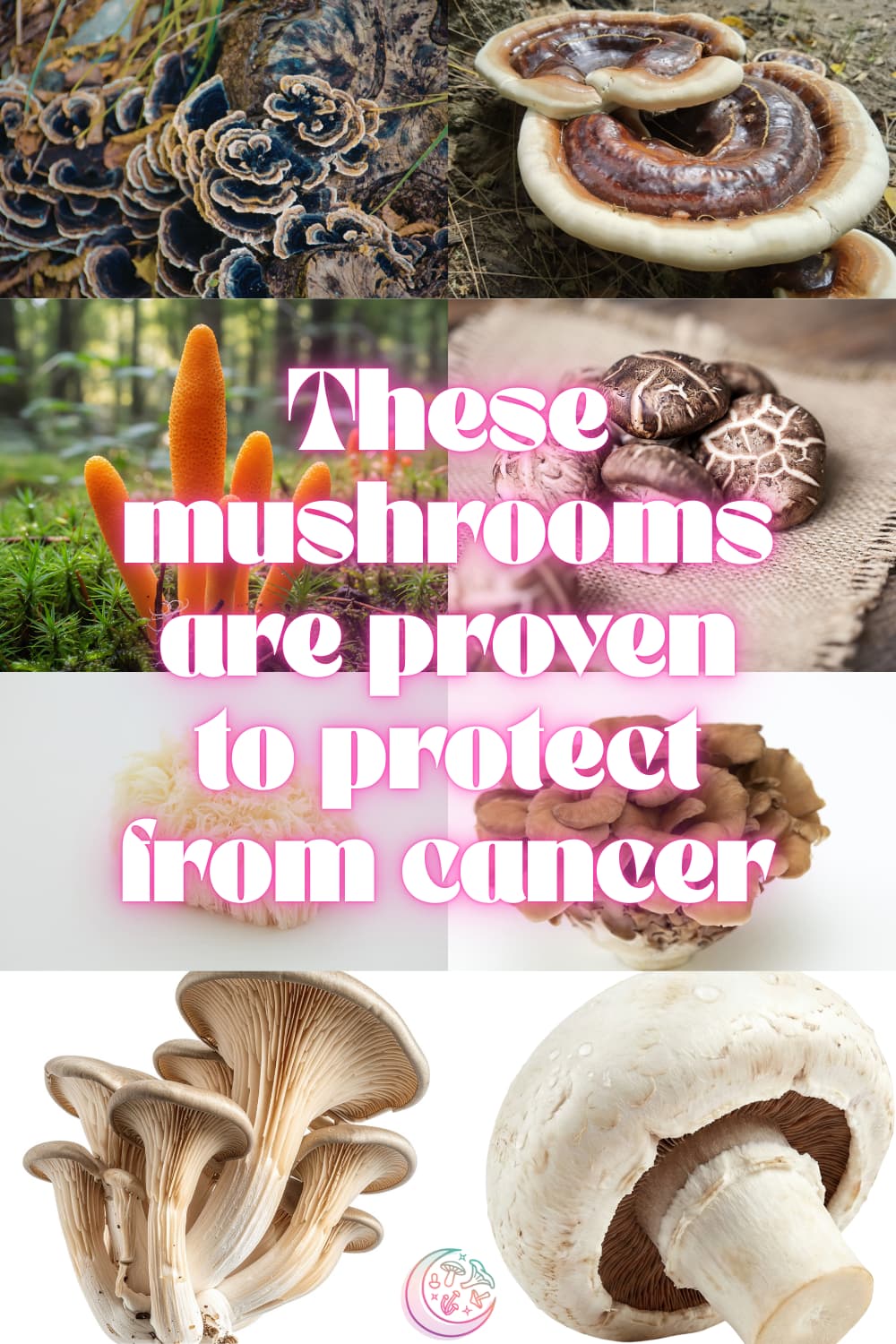
Mushrooms—especially varieties like:
- shiitake
- maitake
- reishi, and
- turkey tail
...contain powerful compounds called beta-glucans and polysaccharides that can boost your immune system.
Your immune system is your body's natural defense squad, constantly scanning for and destroying abnormal cells before they become cancer.
Studies have shown that these mushroom compounds can enhance the activity of natural killer (NK) cells and other immune warriors.
A 2019 review published in the *International Journal of Molecular Sciences* found that mushroom polysaccharides have demonstrated anti-tumor effects in both laboratory and animal studies.
Human clinical trials
Do mushrooms protect from cancer?
Let's talk about human evidence, because that's what really matters when you're deciding what to put on your plate or in your supplement cabinet.
Several clinical trials have explored medicinal mushrooms cancer benefits, particularly in people already diagnosed with cancer.
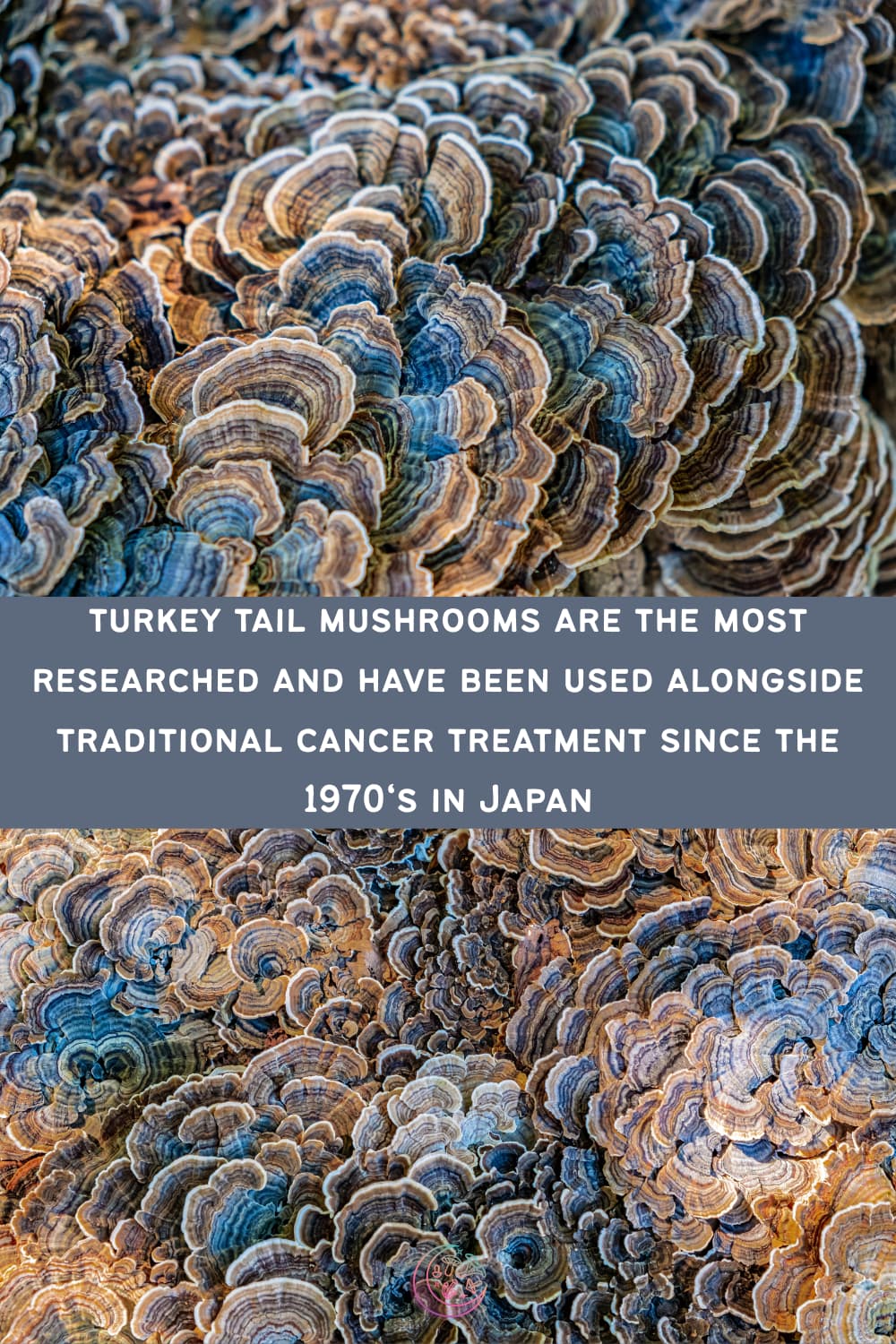
One of the most studied is **turkey tail mushroom** (*Trametes versicolor*), which contains a compound called PSK (polysaccharide-K).
In Japan, PSK has been used alongside conventional cancer treatment since the 1970s.
Multiple clinical trials—including a landmark study published in *The Lancet* in 1994—showed that colorectal cancer patients who took PSK alongside chemotherapy had better survival rates than those who didn't.
Another trial in 2012, funded by the National Institutes of Health and published in *ISRN Oncology*, found that turkey tail improved immune function in breast cancer patients.
These aren't fringe studies—they're peer-reviewed, published, and taken seriously by researchers worldwide.
But what about *preventing* cancer in the first place?
This is where things get really exciting for everyday folks like you and me.
A 2021 Penn State study found that eating **18 grams of mushrooms daily** (about 2 medium mushrooms) was associated with a **45% lower risk of cancer**
The effect was strongest for breast cancer, but other cancers showed reduced risk, too.
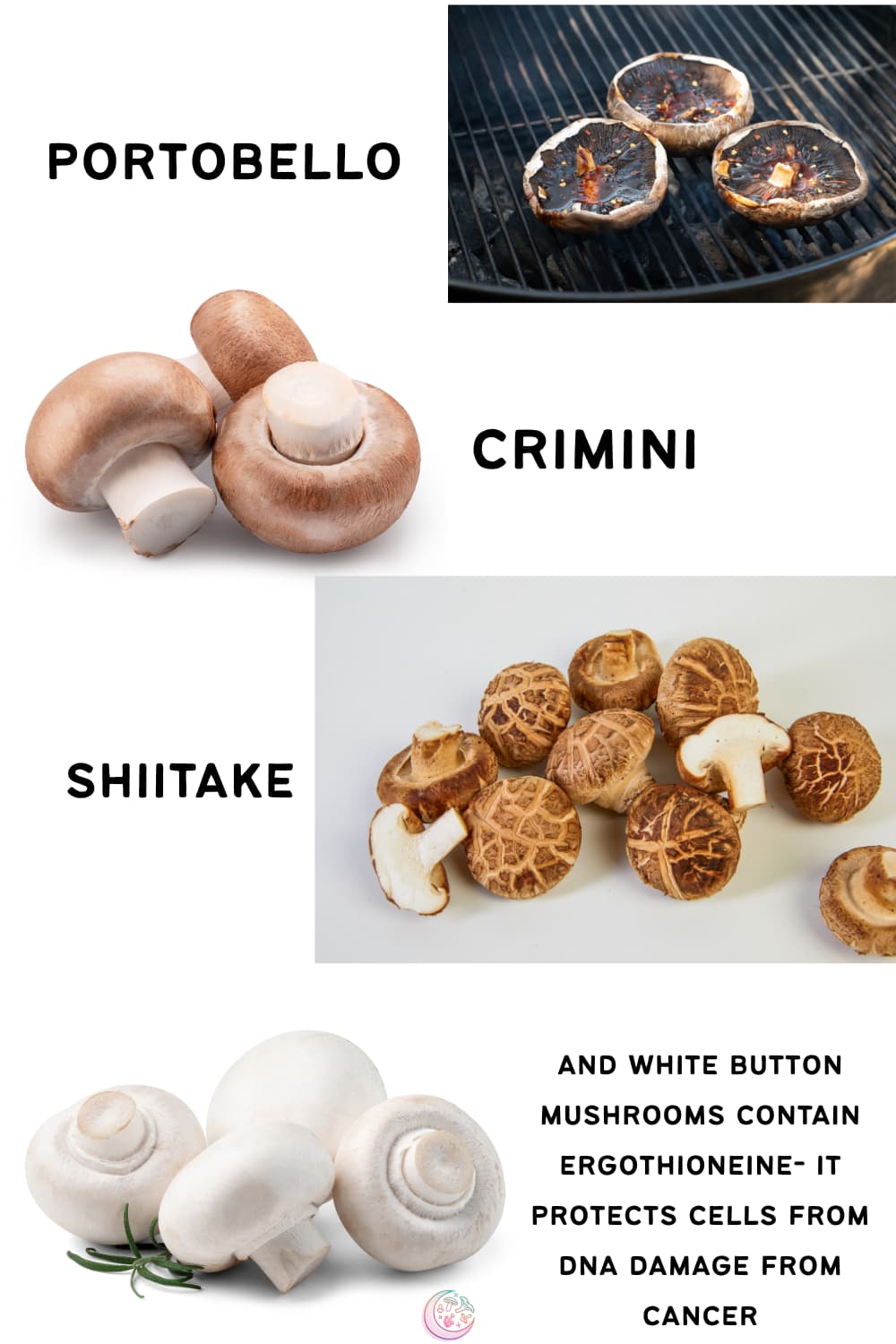
The researchers believe this is due to mushrooms' high levels of ergothioneine, a potent antioxidant that protects cells from DNA damage.
- White button mushrooms
- cremini
- portobello
- shiitake
...they all contain it.
Do mushrooms protect from cancer?
You don't need exotic supplements; the mushrooms at your grocery store count.
So which mushrooms should you focus on?
If you're eating for cancer prevention, culinary mushrooms like:
- shiitake
- maitake
- lion’s mane
- oyster, and
- even plain white button mushrooms are fantastic.
They're easy to cook, delicious, and packed with nutrients.
Shiitake, in particular, contains a compound called lentinan that's been studied for its immune-boosting and anti-tumor properties.
Click here to learn how to cook shiitake mushrooms like a chef.
If you're looking at medicinal mushroom supplements
Do mushrooms protect from cancer?
- Turkey tail
- Reishi
- Lion’s mane
- Cordyceps and
- Chaga
...are the heavy hitters.
- Turkey tail is the most researched for cancer support
- Reishi is known for immune modulation and reducing inflammation
- Chaga is one of the highest antioxidant foods on Earth
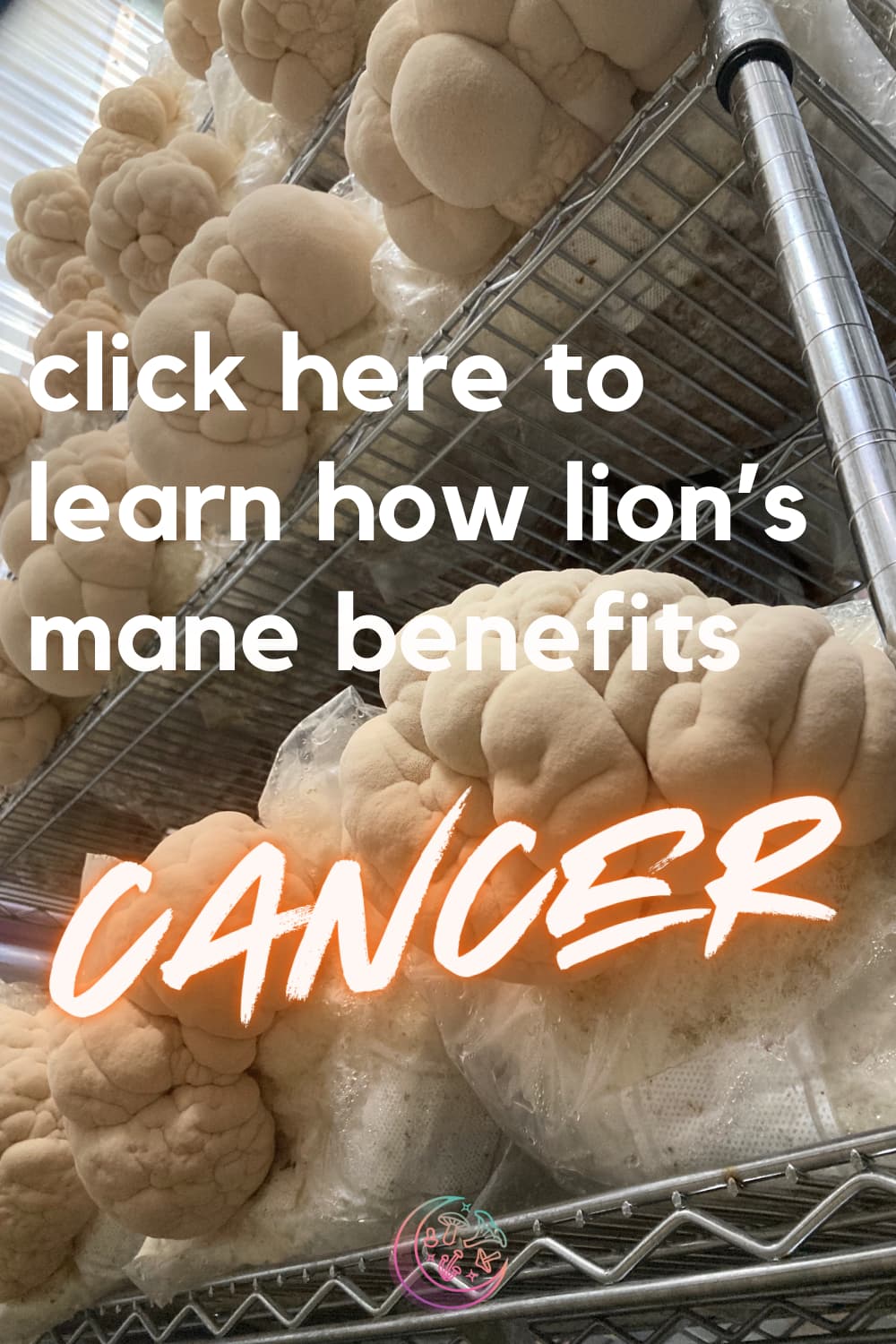
- Lion’s mane mushrooms have shown promise in slowing the spread of certain cancers including leukemia, lung, colon, liver, and gastric cancers
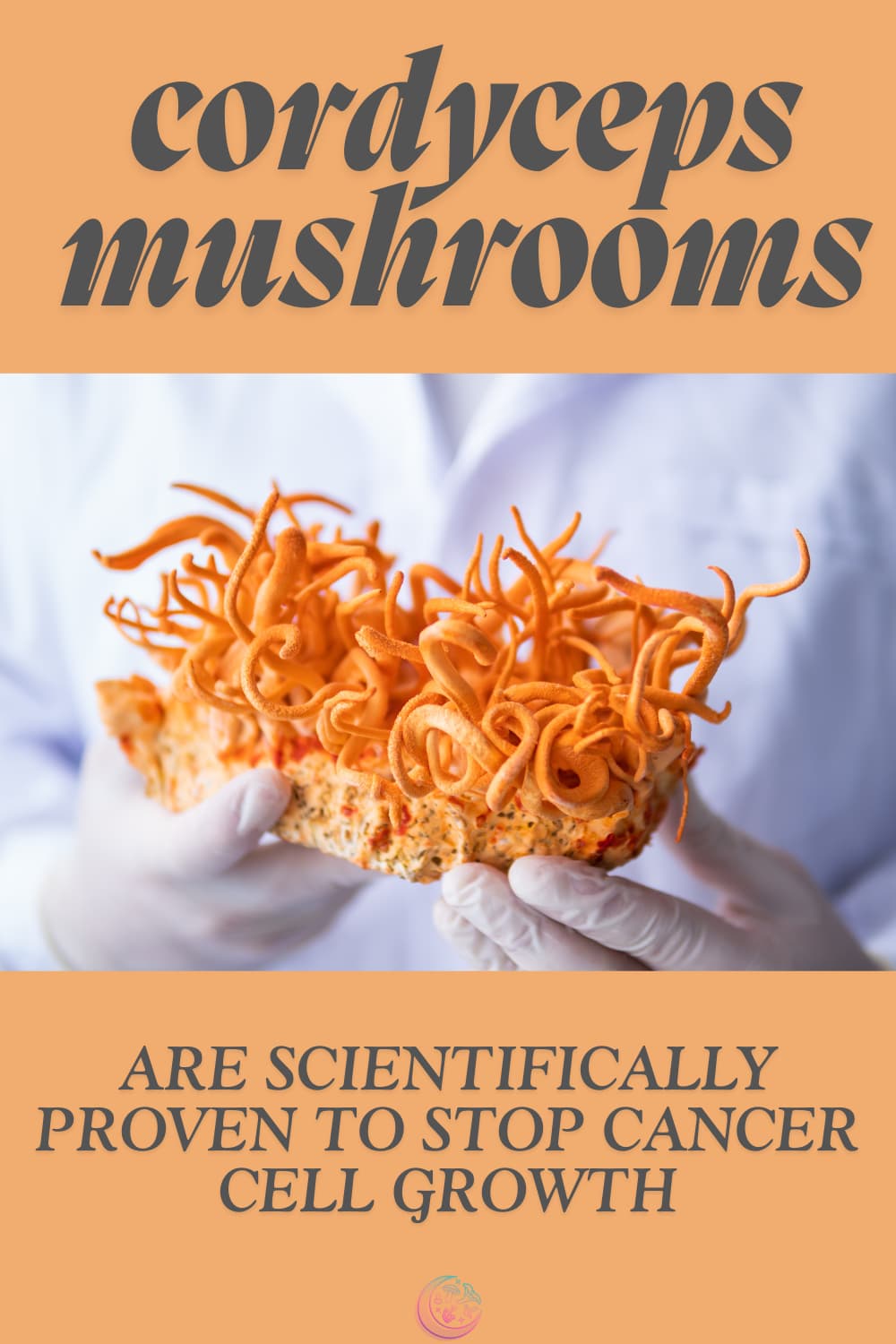
- Cordyceps mushrooms are scientifically proven to stop the growth of cancer cells
The key is to look for high-quality extracts standardized for beta-glucans (aim for at least 20-30% beta-glucan content)
Cheap powders often contain mostly mycelium grown on grain, which dilutes the active compounds.
MOST functional mushroom supplements (over 90%) on the market are filled with fillers...
Even Paul Stamet's brand Stamet's 7 ...IS NOT THE GOLD STANDARD.
Sorry Paul, I love you but I will never understand why you don't sell the gold standard...
If a functional mushroom company does not offer:
- extract form
- transparency in beta-glucan concentration on their label AND
- a certificate of analysis (COA)
...you need to walk away and pick a gold standard supplement.
Mushroom supplements can be expensive, so why would you spend your money on anything but the gold standard?
And, I don't think I need to remind you- if you are fighting for your life, why would you settle for anything less than the gold standard?
The gold standard is extract form...it is what they use in the human clinical trials.
Never underestimate the power of your own body to heal itself. You have been programmed to believe Western medicine doctors, although brilliant and very contributory to modern medicine, are the first line of your health. That couldn't be further from the truth. Western doctors, and I have the highest respect and regard for them, because I've worked side by side with them for several decades...are very limited in their scope of practice. The American Medical Association was purchased by Big Pharma in the 1990's...so the educational agenda for doctors is pharmaceutical driven. Big business. Have you seen the sheer volume of pharmaceutical commercials on TV? Be very mindful what types of energies you expose yourself to...especially if you are living with cancer, or do not wish to get cancer.
Erin
How much should you eat, and how often?
So, do mushrooms protect from cancer?
For prevention, aim for **about 18 grams of fresh mushrooms per day**—that's roughly a handful or one medium portobello cap.
Cooking all mushrooms is important because heat breaks down chitin (the tough cell walls) and makes the nutrients more bioavailable.
Click here to learn how to cook oyster mushrooms for the best flavor, texture and nutrition.
If you're considering supplements, typical doses in clinical trials range from 1 to 3 grams of extract per day, but *always* talk to your healthcare provider first, especially if you're undergoing cancer treatment.
A word of caution
Some mushroom extracts can interact with chemotherapy or immunotherapy drugs, and your oncologist needs to know everything you're taking.
It is ignorant to assume mushrooms can cure cancer on their own.
As magic as they are...they are not a magic bullet.
What mushrooms *can* do is:
- support your immune system
- reduce inflammation, and
- improve outcomes when used alongside standard care.
Think of them as a valuable team player, not the star quarterback.
The Memorial Sloan Kettering Cancer Center—one of the world's leading cancer hospitals—acknowledges that compounds in mushrooms like turkey tail and reishi have shown promise in clinical studies.
- Cancer is the **2nd leading cause of death** globally, claiming nearly 10 million lives annually
- By 2040, cancer cases are projected to rise to **30+ million** per year
- Approximately **1 in 5 people** will develop cancer in their lifetime
Safety first
For most people, eating mushrooms as food is incredibly safe—they're a staple in diets around the world.
Supplements are generally well-tolerated too, but there are a few cautions.
If you have an autoimmune disease or are on immunosuppressant drugs, medicinal mushrooms might overstimulate your immune system.
If you're on blood thinners, reishi can increase bleeding risk.
And if you're allergic to molds or fungi, you might react to mushroom supplements.
Side effects are rare but can include digestive upset or skin rashes.
The bottom line
In answering your question, "Do mushrooms protect from cancer?"...
Start slow, pay attention to how your body responds, and keep your doctor in the loop.
This isn't about going rogue—it's about being an informed, proactive partner in your own health.
Let's address the elephant in the room: the hype.
Social media is full of claims that "mushrooms cure cancer!" or "Big Pharma doesn't want you to know about this!"
That kind of talk is dangerous and disrespectful to people fighting for their lives.
Yes, mushrooms have real, measurable benefits supported by science.
No, they are not a secret cure being suppressed by the medical establishment.
Oncologists and researchers *are* studying mushrooms—that's why we have clinical trials and published papers.
The frustration many of us feel with modern medicine is valid, but the solution isn't to reject science; it's to demand *better* science that includes natural therapies alongside conventional ones.
Mushrooms deserve a seat at the table, not a pedestal or a trash heap.
Here is another personal soapbox
I worked in Western medicine "sick care" for over 2 decades as a registered dietitian and nurse.
And after witnessing both my father’s journies with cancer, and hearing the same “script” every oncologist gives patients and their families…I can tell you this with conviction:
Oncology is the most corrupt division of western sick care.
The doctor’s get financial kickbacks for every chemo prescription they write.
Yep, you heard that correct.
And I’m being nice here when I say this…when you or your beloved family member is suffering from the horrific side effects of chemo, they are banking money for their golf vacations and their plastic surgery funds.
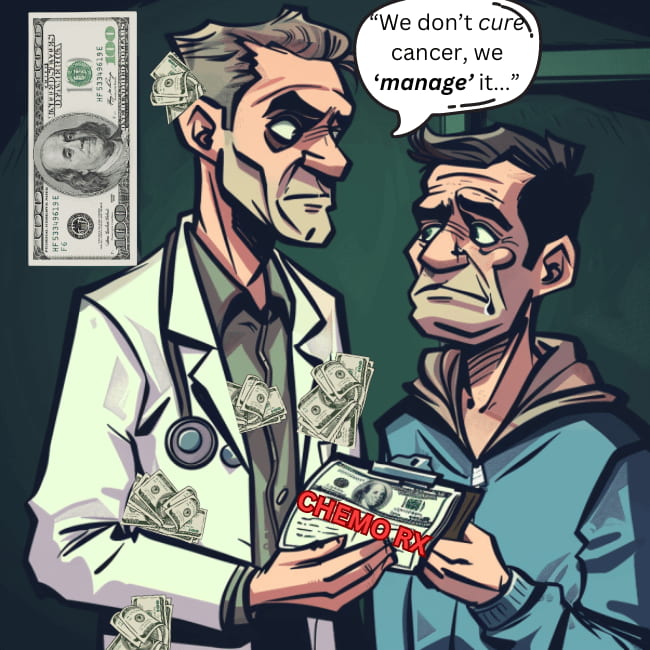
And…it is worth mentioning…chemo is not benign!
Chemo actually gives you cancer, along with all the imaging they do to cancer patients.
The best thing you can do is arm yourself with evidence like this article that you have done your homework.
Ask them how they get paid for writing chemo prescriptions (and prepare to watch them squirm in their underwear).
If you get a bad feeling about a doctor, or if they are rigid and old school in their practices, fire their ass, walk out and find yourself another doctor.
Erin
GOOD doctors work with you as a team…they listen and do research if they are presented with anything their patients ask them that they are unaware of.
GOOD doctors don’t shame you for taking an active part in your treatment.
GOOD doctors are a proud and humble TEAM MEMBER of your chosen health care team...and you get to choose who is #1 (which hopefully is YOU). They DO NOT dictate their authority on you. We have enough of that going on in the world...
I have heard so many stories of even medical professionals, who are struggling with cancer and choose to opt out of the rigid protocols all oncologists are taught by pharmaceutical reps and the corrupt Big Pharma agenda in Western medicine.
They choose to:
- live a clean anti-tumor diet
- remove toxins from their skin care products and home products, and
- change their thinking like Louise Hay, the world renowned healer who cured herself from cancer just by changing the way she thinks and speaks to herself with positive affirmations
Oncologists are great at scaring the shit out of you and making you feel like their way is the ONLY way…(while they are planning their next golf vacation or plastic surgery procedure).
YOU HAVE OPTIONS.
The best advice I can give you is to work with an oncologist who is open to adjunct and alternative therapies like Turkey Tail, meditation and positive affirmations.
And...find a naturopathic doctor who will support you during this journey.
So, what can you do *today*?
Start simple.
Add a serving of mushrooms to your meals a few times a week—stir-fries, omelets, pasta.
Replace one or two meat meals a week with culinary mushrooms.
Experiment with shiitake or maitake if you want to level up from button mushrooms.
If you're interested in supplements, do your homework: look for reputable brands that provide extracts, third-party testing and clear labeling of beta-glucan content.
Bring this information to your next appointment with your doctor, dietitian, or oncologist.
Print out a study or two if it helps. Ask, "Would adding mushrooms or a mushroom extract be appropriate for me?"
Most clinicians appreciate patients who take an active role in their health, especially when you come with credible sources.
This isn't about replacing your care team—it's about expanding the conversation.
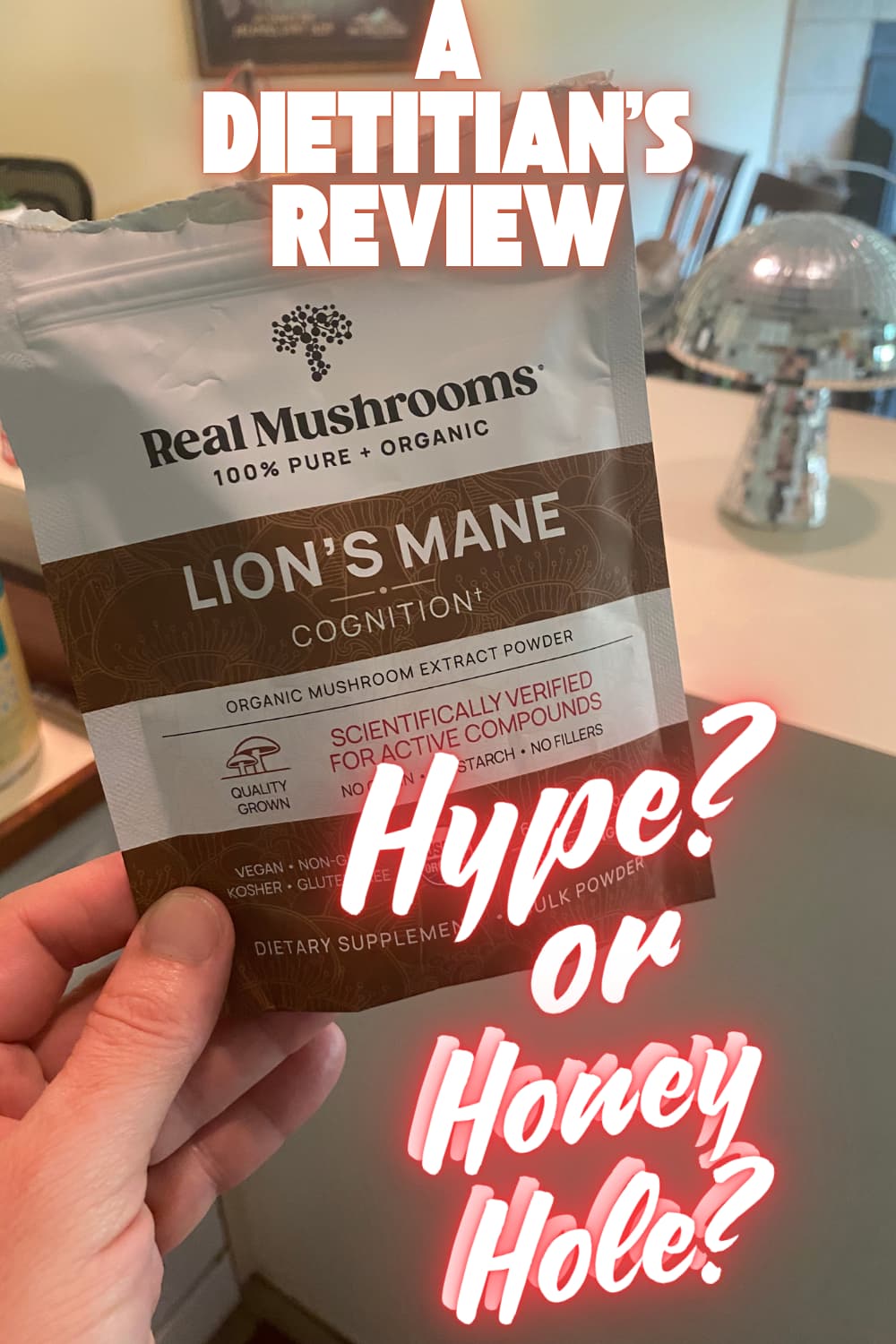

If you purchase a product through the links on this page, I receive a small commission at no cost to you. I was not paid to review these products, and I did not receive it as a freebie. I'm suggesting it to you because I own it and love it, and I think you would, too. For more info, please see this policy.
As an Amazon affiliate I earn from qualifying purchases.
- An estimated **30-50% of all cancers are preventable** through lifestyle and dietary changes
- Only about **5-10% of cancers** are caused by inherited genetic mutations—the rest are linked to environmental and lifestyle factors
- The gut microbiome plays a significant role in cancer development, and diet directly influences it
- Countries with higher mushroom consumption (like Japan and Korea) historically show **lower rates of certain cancers**
Do mushrooms protect from cancer?
The evidence suggests they can play a meaningful role in both prevention and support during treatment, especially when it comes to boosting immune function and possibly improving outcomes.
They're not necessarily a cure, but they're not snake oil either.
They're a bridge between ancient wisdom and modern science, and they deserve your attention.
Whether you're a cancer survivor looking for ways to stay strong, a caregiver searching for hope, or someone who just wants to eat smarter, mushrooms offer a low-risk, high-reward addition to your anti-cancer toolkit.
So go ahead—sauté some shiitakes tonight, explore a turkey tail supplement, and take one more step toward taking control of your health.
You've got this, and now you've got the facts to back it up.

Click here to learn about psilocybin mushrooms and how they support during end-of-life
You might like these
Black Pearl King Oyster Mushrooms: A Grow and Cook Guide
Discover black pearl king oyster mushrooms! Learn to grow this meaty hybrid, cook delicious vegan scallops, and boost your wellness with our complete guide.
Secret Side Effects of Magic Mushrooms: This Will Blow Your Mind
Unearth the truth about magic mushroom side effects. Navigate the journey safely, explore healing, and embrace the experience mindfully.
Hot Yoga Dome Review: Read this if you are obsessed with 26:2
Practice hot yoga at home with the Hot Yoga Dome. Ditch expensive studios, save time, and get a perfect, consistent class on your schedule.
What is the downside of lions mane mushrooms? It begins with you!
What is the downside of lions mane mushrooms? Stomach upset from poor quality fillers. Learn to avoid side effects and find the best extracts for brain health.
How Long Does Microdosing Last? The Shroom Answer Might Surprise You…
How long does microdosing last? Experience effects ranging from 48 hours to lasting years with transformative microdosing mushrooms.


Recent Articles


-
Spawn-to-Bulk Contamination Prevention Checklist That Works
Aug 09, 26 07:04 PM
 Tired of contamination ruining your spawn-to-bulk mix? This prioritized checklist covers what actually matters most at the mixing step. Save your grow!
 -
Spawn-to-Bulk Troubleshooting: Fix Stalls, Smells, and Patchy Growth
Aug 09, 26 05:51 PM
Spawn-to-bulk problems? Diagnose stalled colonization, bacterial smells, wet spots, and patchy growth with this symptom-based troubleshooting guide. -
Spawn to Bulk Basics: Your Step-by-Step Guide to Getting It Right
Aug 09, 26 04:51 PM
Learn how to spawn to bulk the right way. From checking your spawn to mixing clean, this beginner guide covers every step so your mushroom tub thrives, not dies. -
How To Set Up A Clean Inoculation Space At Home Without A Lab
Aug 08, 26 07:53 PM
Learn how to set up a clean inoculation space at home without a lab. A calm, practical SAB workflow that keeps contamination low and confidence high. -
Why Beginners Over-Mist: Read Your Mushrooms, Not Your Hygrometer
Aug 08, 26 06:44 PM
Stop chasing humidity numbers. Learn to read substrate surfaces, cap condition, and pin health to prevent over-misting and grow better mushrooms.


Follow me and spread the spores!